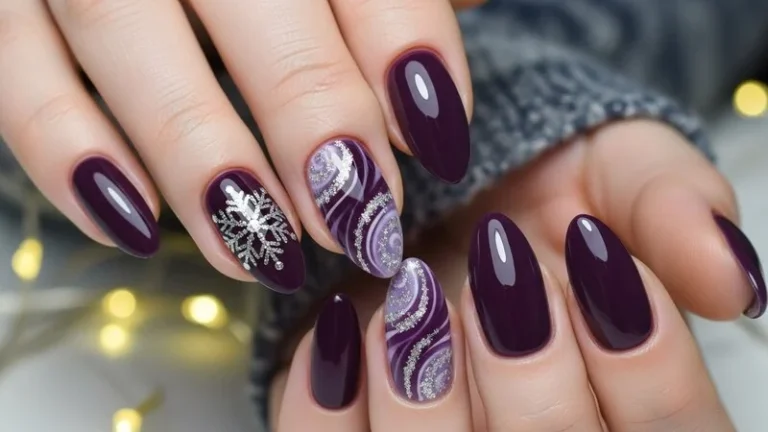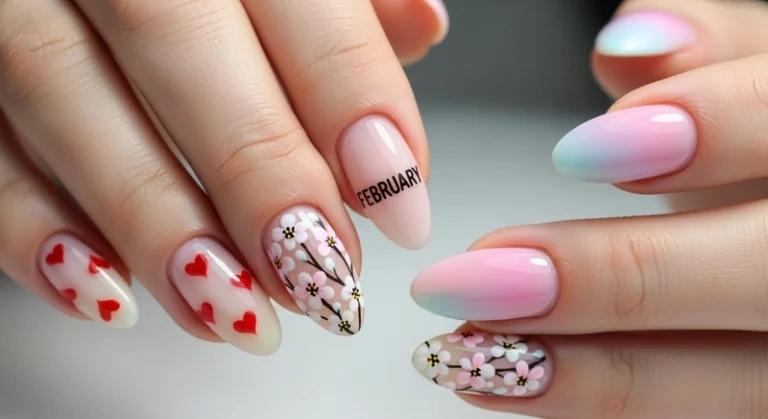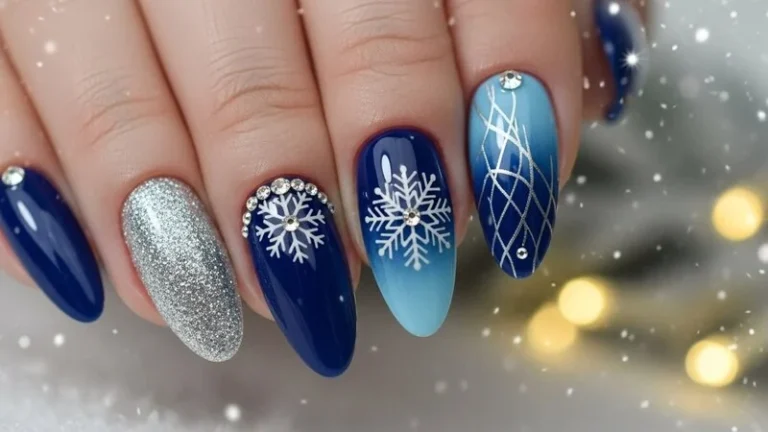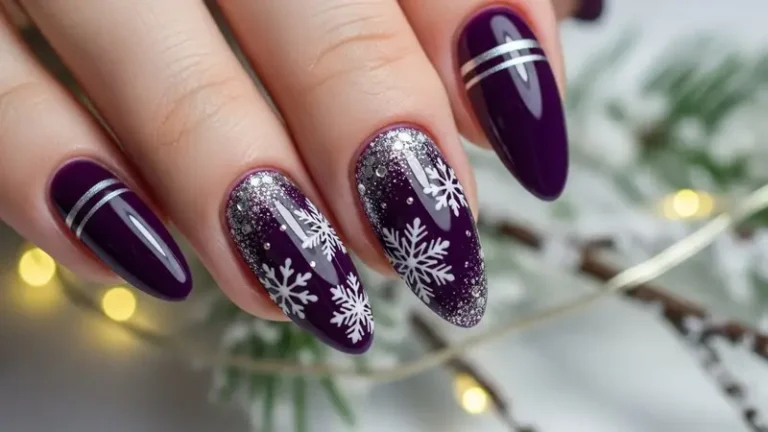
Winter Toe Nails: Expert Guide to Stylish, Healthy, and Seasonal Pedicures
Winter often means closed shoes, dry air, and less attention to pedicures. As a result, many people neglect their winter toe nails, assuming they are not visible or important. This mindset leads to brittle nails, dry cuticles, fungal issues, and chipped polish that shows up the moment boots come off. According to the American Academy of Dermatology, cold weather and low humidity significantly increase nail dryness and breakage during winter months. That is exactly why winter toe nail care and styling deserve focused attention. With the right colors, finishes, and care routine, your toenails can stay healthy, polished, and seasonally stylish all winter long.
Why Winter Toe Nails Need Special Care
Winter creates a harsh environment for toenails. Cold temperatures reduce blood circulation to extremities. Meanwhile, indoor heating strips moisture from the skin and nails. Tight boots and thick socks also create friction and pressure.
These factors often cause:
- Dry, cracked cuticles
- Brittle or peeling toenails
- Discoloration or dull nail surfaces
- Increased risk of fungal infections
Therefore, winter toe nails require more hydration, protection, and intentional grooming compared to summer pedicures.
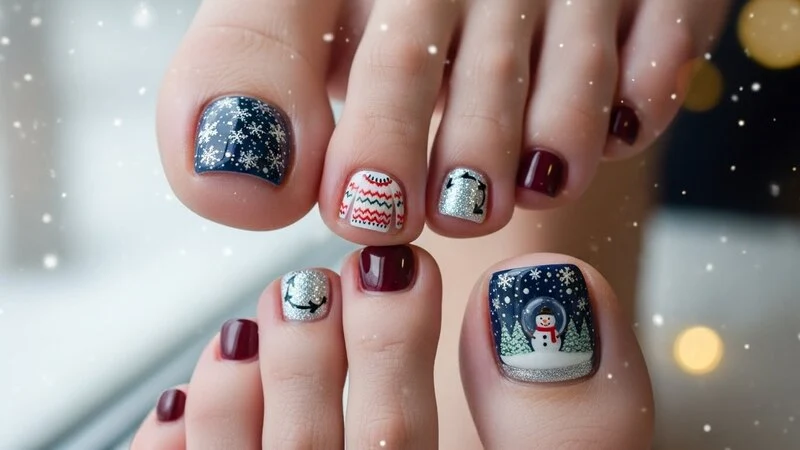
Top Winter Toe Nail Colors Trending in the USA
Color choice plays a major role in winter nail aesthetics. During colder months, deeper and richer tones dominate nail trends across the United States.
Most Popular Winter Toe Nail Shades
| Color Category | Popular Shades | Why They Work in Winter |
|---|---|---|
| Dark Neutrals | Espresso brown, charcoal gray | Elegant and low-maintenance |
| Classic Reds | Burgundy, wine, oxblood | Timeless and season-appropriate |
| Cool Tones | Navy blue, emerald green | Rich contrast against winter outfits |
| Soft Neutrals | Taupe, beige, milky nude | Clean and professional look |
| Metallics | Champagne gold, silver chrome | Adds subtle winter glamour |
These shades hide chips better and pair well with winter footwear, making them practical and stylish.
Best Winter Toe Nail Designs That Look Polished
Minimal yet intentional designs perform best in winter. Overly intricate art often chips faster inside boots. Instead, clean and structured designs dominate winter toe nail trends.
Top Design Choices
- Solid glossy color: A clean single shade always looks refined
- Matte finishes: Popular for dark winter tones like navy or plum
- Minimal line art: Thin gold or white lines add interest without clutter
- Accent toe nails: One subtle glitter or metallic nail creates balance
- French pedicure with a twist: Replace white tips with beige, gray, or gold
These designs maintain durability while still looking thoughtfully styled.
Winter Toe Nail Shapes That Last Longer
Shape matters more in winter than many people realize. Improper shaping leads to breakage and discomfort inside closed shoes.
Recommended Shapes for Winter
- Squoval: Combines strength and comfort
- Short square: Durable and low maintenance
- Rounded edges: Prevents snagging on socks
Avoid long or sharply pointed shapes. They increase pressure inside boots and raise the risk of nail damage.
How to Maintain Healthy Winter Toe Nails
Healthy nails always look better than decorated but damaged ones. Winter nail care should focus on moisture retention and protection.
Essential Winter Nail Care Routine
- Apply cuticle oil daily, especially before bed
- Use thick foot cream with urea or shea butter
- Wear breathable socks to reduce moisture buildup
- Trim toenails straight across every two weeks
- Disinfect nail tools regularly
Dermatology studies show that consistent moisturizing reduces nail splitting by nearly 30 percent during colder months.
Gel vs Regular Polish for Winter Toe Nails
Choosing the right polish type improves longevity and nail health.
| Feature | Gel Polish | Regular Polish |
|---|---|---|
| Durability | Lasts 3–4 weeks | Lasts 7–10 days |
| Finish | High-shine | Natural |
| Removal | Requires soaking | Easy removal |
| Nail Health | Needs breaks | Gentler on nails |
Gel polish works well for winter vacations or busy schedules. However, regular polish allows more frequent hydration and nail recovery. Experts recommend alternating between both during winter.
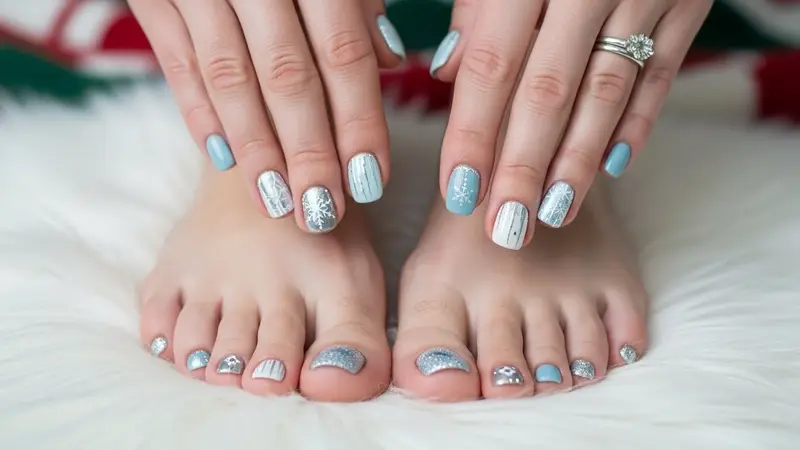
Common Winter Toe Nail Mistakes to Avoid
Many people unknowingly damage their nails during winter.
Avoid these mistakes:
- Skipping pedicures entirely
- Cutting cuticles aggressively
- Wearing damp socks for long hours
- Applying polish without a base coat
- Ignoring early signs of fungal infection
According to podiatry reports, fungal toenail infections increase by up to 20 percent during winter due to prolonged moisture in footwear.
Winter Toe Nails for Professional and Casual Lifestyles
Winter pedicures should match lifestyle needs.
- Office professionals: Neutral shades like taupe or soft pink
- Active lifestyles: Short nails with gel polish for durability
- Minimalists: Matte nude or milky finishes
- Trend lovers: Metallic accents or deep jewel tones
Choosing a functional style ensures comfort and confidence.
Expert Opinion: Why Winter Toe Nails Matter More Than You Think
As a nail care specialist perspective, winter toe nails reflect overall foot health. Neglect often leads to long-term issues that surface in spring. Strong winter routines prevent damage, reduce repair time later, and maintain consistent nail quality year-round.
Well-maintained toenails also boost hygiene and self-care habits. Even when hidden, they deserve attention.
Final Thoughts on Winter Toe Nails
Winter toe nails should never be an afterthought. Cold weather challenges nail strength, hydration, and appearance. However, with the right colors, shapes, designs, and care routine, you can maintain healthy and stylish toenails throughout winter.
Focus on nourishment. Choose durable designs. Stay consistent with care. When spring arrives, your nails will already be in excellent condition.
Olly
Olly is a fashion and style content creator behind OllyFashionStyle.com — covering everything from trending outfits and nail art to shoes, accessories, and seasonal style guides. Every post is built on real research, written to help you make confident style decisions without the fluff.