Winter Outfits: A Complete Guide to Staying Warm, Stylish, and Practical in the USA
Introduction
Winter dressing is not just about warmth. It is about balance. According to a recent apparel industry report, over 65% of Americans struggle to layer properly during winter, often choosing bulky outfits that sacrifice comfort or style. Cold mornings, unpredictable weather, and long commutes make winter fashion even more challenging. However, the right winter outfits can solve all of these problems at once. With smart layering, quality fabrics, and season-appropriate styling, you can stay warm without looking overdressed or uncomfortable. This guide breaks down winter outfits in a practical, stylish, and weather-ready way for the USA audience.
Understanding Winter Weather Across the USA
Winter in the United States varies widely. Northern states face heavy snow and freezing temperatures, while southern regions deal with milder cold. This makes choosing winter outfits less about trends and more about functionality.
Key factors to consider:
- Average temperature in your region
- Wind chill and humidity
- Indoor-to-outdoor transitions
- Daily activity level
Your winter wardrobe should adapt, not restrict. Flexibility is essential.
Core Elements of Functional Winter Outfits
A strong winter outfit always starts with the basics. These pieces form the foundation of every look.
1. Base Layers
Base layers trap body heat and regulate temperature. Thermal tops and leggings made from merino wool or moisture-wicking fabric work best. Avoid cotton, as it absorbs sweat and makes you feel colder.
2. Insulating Layers
This layer adds warmth. Sweaters, fleece pullovers, and quilted vests fall into this category. Chunky knits work well for casual winter outfits, while fine-gauge sweaters suit professional settings.
3. Outerwear
Your outer layer protects you from wind, rain, and snow. Choose wisely based on climate.
| Outerwear Type | Best For | Temperature Range |
|---|---|---|
| Puffer Jacket | Extreme cold | Below 32°F |
| Wool Coat | Urban wear | 30°F – 50°F |
| Parka | Snowy regions | Below 25°F |
| Trench Coat | Mild winters | 45°F – 60°F |
Winter Outfits for Everyday Casual Wear
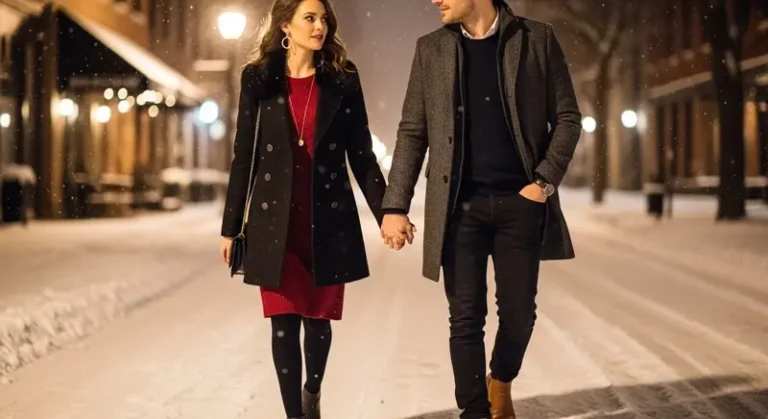
Casual winter outfits should feel effortless but intentional.
A classic formula works well:
- Thermal top
- Knit sweater
- Straight-leg jeans
- Insulated ankle boots
- Medium-weight jacket
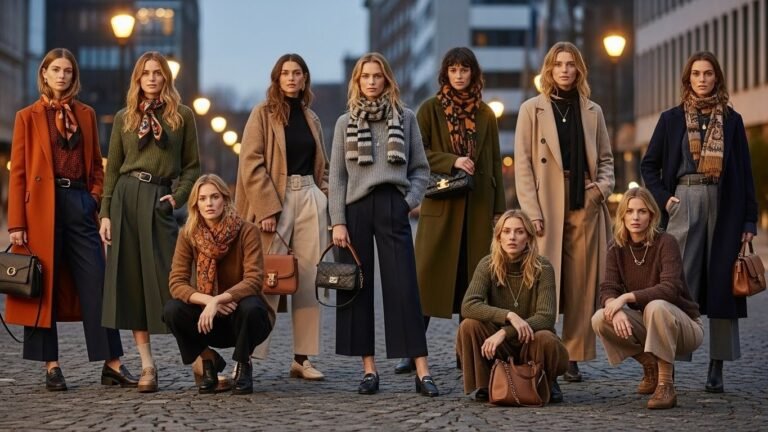
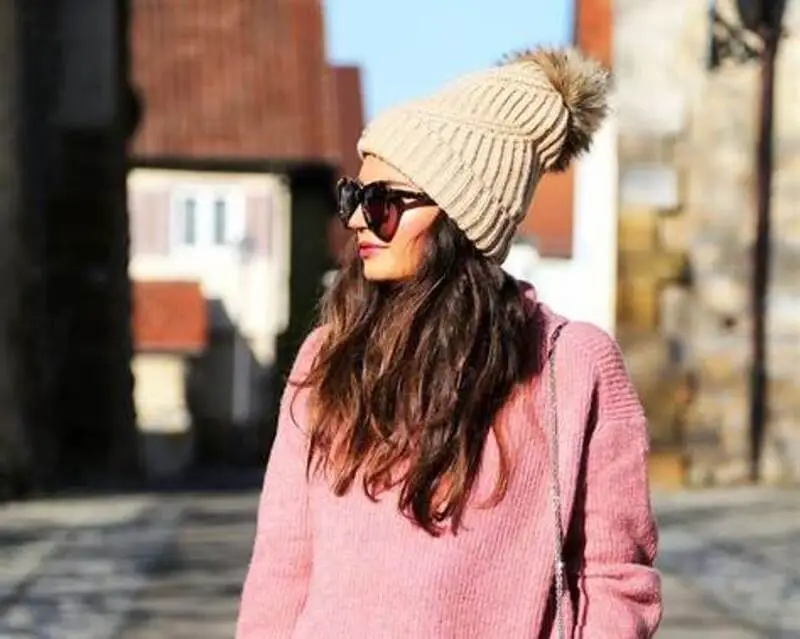
Neutral colors like camel, gray, navy, and black dominate winter fashion because they layer well. Add texture through knits, corduroy, or suede to avoid a flat look.
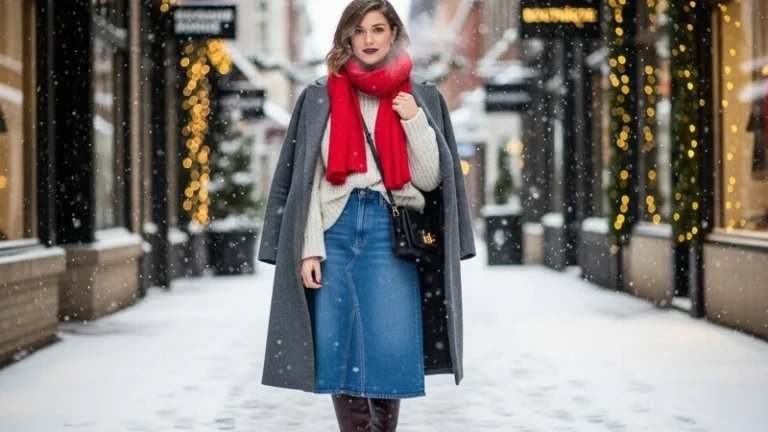
Scarves, beanies, and gloves are not optional. They are functional accessories that also add visual interest.
Work-Appropriate Winter Outfits
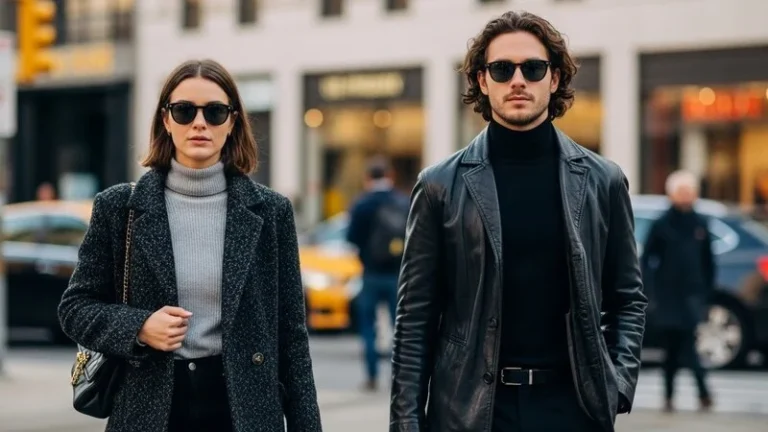
Professional winter outfits require structure without bulk.
For women:
- Tailored wool coat
- Turtleneck or blouse
- Ankle-length trousers
- Leather boots
For men:
- Wool overcoat
- Crewneck sweater over a shirt
- Structured pants
- Chelsea or lace-up boots
Layering thin but warm fabrics helps maintain a sharp silhouette. This approach works especially well in office environments with heating.
Winter Outfits for Extreme Cold
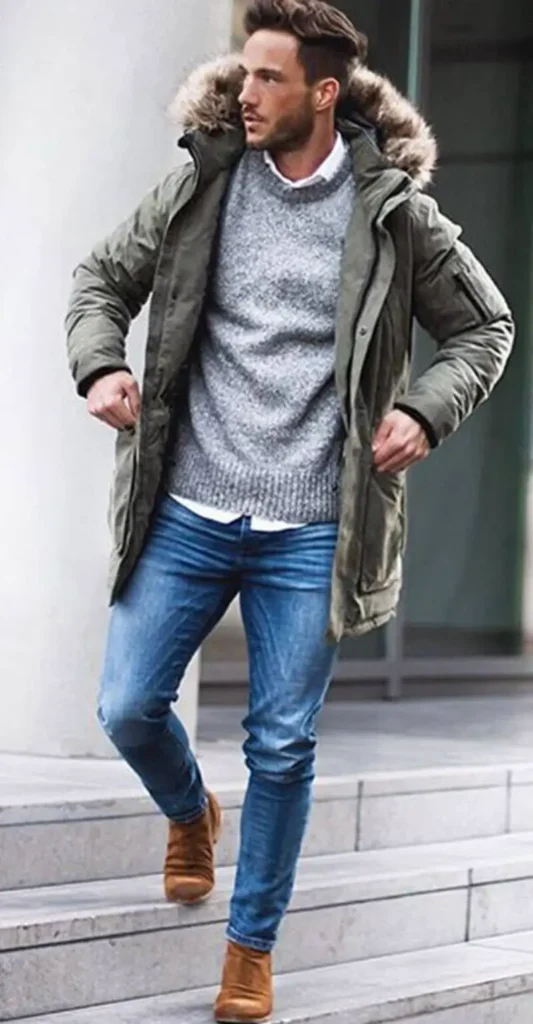
In states like Minnesota, Alaska, or New York during peak winter, outfits must prioritize insulation.
Essential pieces:
- Down-filled parka
- Thermal-lined pants
- Snow boots with traction
- Insulated gloves
- Windproof accessories
According to outdoor wear data, proper layering can improve heat retention by up to 40%. That is not a trend. That is survival.
Seasonal Color Trends for Winter Outfits
Winter fashion no longer means dark-only palettes. While neutrals remain essential, modern winter outfits include:
- Deep forest green
- Burgundy
- Warm beige
- Soft cream
- Muted blue
These colors add depth without overpowering the look. Monochrome outfits, especially in winter tones, also create a streamlined and polished appearance.
Fabric Choices That Matter in Winter
Fabric selection defines comfort.
| Fabric | Benefit | Best Use |
|---|---|---|
| Wool | Natural insulation | Coats, sweaters |
| Cashmere | Lightweight warmth | Luxury layering |
| Fleece | Heat retention | Casual wear |
| Down | Maximum warmth | Outerwear |
| Leather | Wind resistance | Jackets, boots |
High-quality fabrics last longer and perform better. Investing in fewer, better pieces improves both comfort and style.
Common Winter Outfit Mistakes to Avoid
Even well-dressed individuals make winter fashion errors.
Avoid these mistakes:
- Wearing oversized layers without structure
- Ignoring proper footwear
- Choosing fashion over insulation
- Skipping accessories in cold weather
A winter outfit should feel intentional from head to toe.
How to Build a Versatile Winter Wardrobe
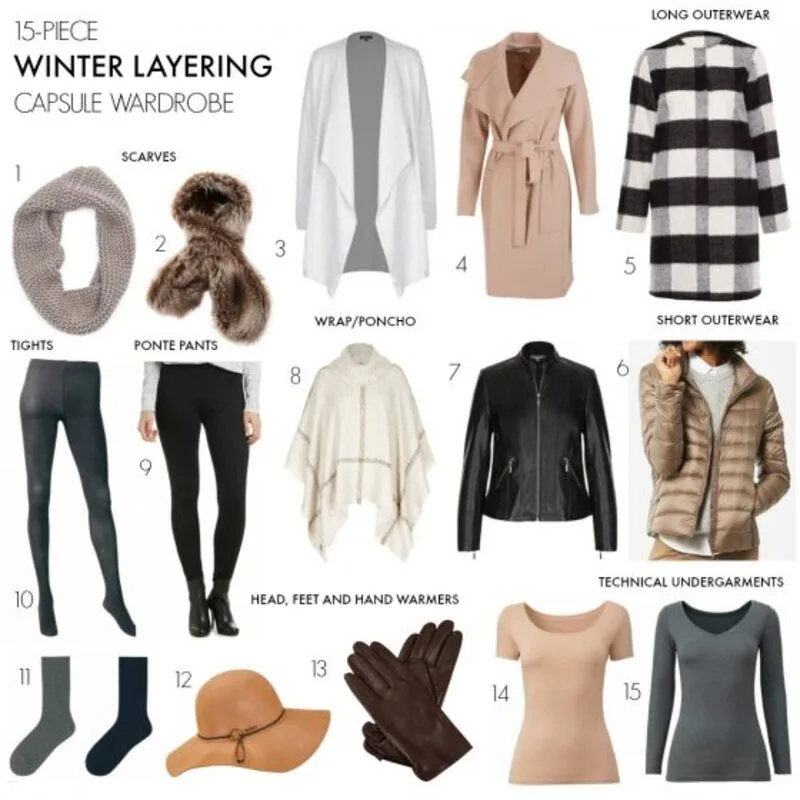
A functional winter wardrobe does not require excess.
Focus on:
- 2 reliable coats
- 3–4 sweaters
- 2 base-layer sets
- Weather-appropriate footwear
- Coordinated accessories
This approach supports multiple outfit combinations while keeping your closet organized.
Final Thoughts on Winter Outfits
Winter outfits should protect you, support your routine, and reflect your personal style. When you understand layering, fabric selection, and regional needs, winter dressing becomes simple. The right winter outfit keeps you warm without sacrificing confidence or mobility. Focus on function first. Style will follow naturally.
Olly
Olly is a fashion and style content creator behind OllyFashionStyle.com — covering everything from trending outfits and nail art to shoes, accessories, and seasonal style guides. Every post is built on real research, written to help you make confident style decisions without the fluff.