Winter Hair Braid: The Ultimate Guide to Stylish and Healthy Braids in Cold Weather
Introduction
Winter can be harsh on hair. Cold air outside, dry heat indoors, and constant friction from scarves and coats often lead to breakage, frizz, and moisture loss. According to dermatology studies, hair moisture levels can drop by nearly 25 percent during winter months, making protective styling more important than ever. This is where the winter hair braid becomes a smart and stylish solution. Braids help lock in moisture, reduce daily manipulation, and keep hair manageable through the cold season. In this guide, you will learn how to choose the right winter braids, maintain hair health, and stay stylish all season long.
Why Winter Hair Braids Are Essential
Winter hair care requires strategy. Low humidity weakens hair strands and makes them prone to split ends. Braiding your hair creates a protective barrier against these seasonal stressors.
Key benefits of winter hair braids include:
- Reduced breakage from wind and friction
- Better moisture retention
- Less daily styling stress
- Improved hair growth retention
In the United States, many hairstylists recommend braids as one of the most effective protective hairstyles for winter, especially for textured and curly hair types.
Best Winter Hair Braid Styles to Try
Not all braids work equally well in winter. The best styles combine protection, comfort, and versatility.
1. Box Braids for Winter
Box braids remain a top winter choice. They protect natural hair and allow flexible styling.
Why they work in winter:
- Long-lasting and low maintenance
- Easy to moisturize underneath
- Compatible with hats and beanies
Medium-sized box braids strike the best balance between comfort and scalp health during colder months.
2. Cornrows and Feed-In Braids
Cornrows sit close to the scalp, which makes them ideal for layering under winter accessories.
Best use cases:
- Active lifestyles
- Shorter hair lengths
- Clean, minimal winter looks
Feed-in braids also reduce tension, which helps prevent hairline damage during dry seasons.
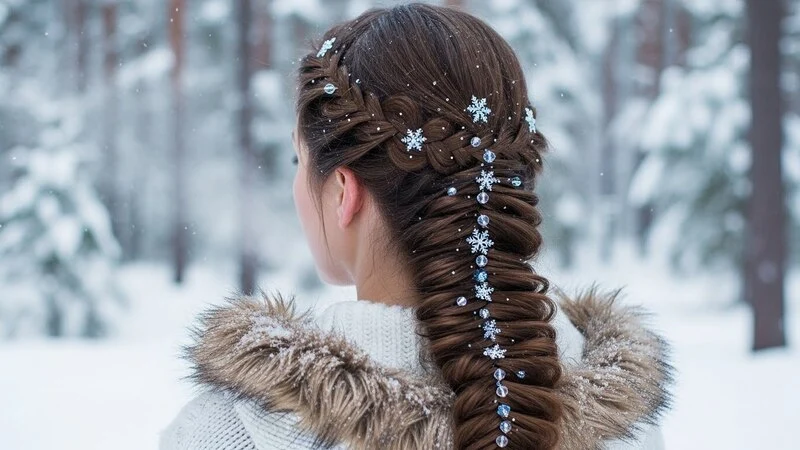
3. Chunky Winter Hair Braids
Chunky braids offer both warmth and style. They work well for casual winter outfits and cozy aesthetics.
Styling advantages:
- Faster installation
- Less scalp tension
- Trendy, voluminous appearance
These braids pair well with sweaters, coats, and winter streetwear.
4. Crown and Halo Braids
Crown braids protect hair ends while keeping a polished look.
Ideal for:
- Formal winter events
- Holiday gatherings
- Professional settings
They also distribute tension evenly across the scalp, which supports long-term hair health.
Winter Hair Braid vs Loose Hair: A Quick Comparison
| Feature | Winter Hair Braids | Loose Hair in Winter |
|---|---|---|
| Moisture retention | High | Low |
| Breakage risk | Low | High |
| Daily styling time | Minimal | High |
| Protection from cold | Strong | Weak |
This comparison shows why braids consistently outperform loose styles during winter months.
How to Prep Your Hair Before Winter Braiding
Preparation determines success. Never braid dry or damaged hair during winter.
Follow these steps before installing winter braids:
- Deep condition hair 3 to 5 days before braiding
- Trim split ends to prevent further damage
- Cleanse scalp thoroughly
- Apply a leave-in conditioner and seal with oil
Proper prep ensures that your winter hair braid style protects instead of harming your hair.
Moisture Management: The Key to Healthy Winter Braids
Moisture loss remains the biggest winter hair challenge. Even with braids, neglect leads to dryness.
Best products for winter braid care:
- Water-based leave-in conditioners
- Lightweight oils like jojoba or argan
- Scalp serums with peppermint or tea tree
Apply moisture two to three times per week. Focus on the scalp and braid length. Avoid heavy buildup, which can clog follicles and slow growth.
How Long Should You Keep Winter Braids?
Time matters. Leaving braids in too long can cause matting and breakage.
Recommended timelines:
- Box braids: 6 to 8 weeks
- Cornrows: 3 to 4 weeks
- Chunky braids: 4 to 6 weeks
Hair growth cycles do not stop in winter. Regular removal and reinstallation support healthier results.
Winter Hair Braid Mistakes to Avoid
Even protective styles can fail if done incorrectly.
Common winter braid mistakes include:
- Braiding hair too tightly
- Skipping scalp cleansing
- Ignoring nighttime protection
- Wearing styles beyond their lifespan
Use silk or satin scarves at night. Cotton absorbs moisture and increases friction.
Styling Tips for Winter Hair Braids
Braids should look good and feel practical.
Easy winter styling ideas:
- Low braided buns with scarves
- Side-swept chunky braids
- Braided ponytails tucked into coats
These styles protect hair ends while enhancing winter outfits.
Are Winter Hair Braids Suitable for All Hair Types?
Yes, but customization matters.
- Curly and coily hair: Ideal for protective winter braids
- Wavy hair: Works best with looser braid styles
- Straight hair: Requires proper prep and tension control
Consult a professional stylist if you are unsure. Poor technique causes more harm than good.
Expert Insight: Why Stylists Recommend Braids in Winter
Many U.S.-based trichologists emphasize protective styling during winter. Studies show reduced manipulation can lower breakage by up to 40 percent over a three-month period. Braids meet this requirement while offering style flexibility.
This makes winter hair braids both a practical and strategic choice.
Final Thoughts
A winter hair braid is more than a seasonal trend. It is a proven method to protect hair from cold weather damage while maintaining style and confidence. When done correctly, braids reduce breakage, retain moisture, and simplify daily hair care routines. Choose the right braid style, focus on moisture, and respect timing. With these steps, your hair can thrive even in the coldest months.
Olly
Olly is a fashion and style content creator behind OllyFashionStyle.com — covering everything from trending outfits and nail art to shoes, accessories, and seasonal style guides. Every post is built on real research, written to help you make confident style decisions without the fluff.