Vintage Watches: A Timeless Guide for Modern Collectors
Introduction
Vintage watches are not just timekeeping devices; they are pieces of history worn on the wrist. In the United States, interest in vintage watches has surged as collectors and everyday buyers search for alternatives to mass-produced modern designs. According to market data, the global pre-owned luxury watch market is projected to cross $35 billion by 2030, driven largely by vintage demand. Many buyers feel overwhelmed by new models that depreciate quickly and lack character. Vintage watches solve that problem. They offer craftsmanship, heritage, and long-term value, all in one elegant package.
What Are Vintage Watches?
Vintage watches are typically timepieces that are at least 20 to 30 years old. However, age alone does not define them. What truly matters is originality, condition, and historical relevance. These watches often feature mechanical movements, hand-finished components, and designs that reflect the era in which they were made.
Unlike modern watches, vintage watches focus on durability and repairability. Manufacturers originally built them to last decades, not product cycles. As a result, many still function flawlessly today.
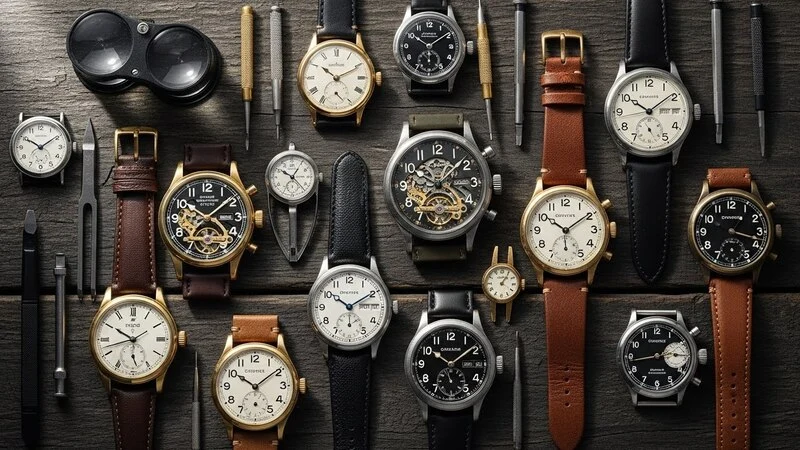
Why Vintage Watches Are Gaining Popularity in the USA
American buyers increasingly view vintage watches as both wearable assets and cultural statements. Several factors explain this trend.
First, modern luxury watches often come with long waiting lists and inflated retail prices. Vintage alternatives offer immediate access and better value. Second, sustainability matters more than ever. Buying a vintage watch supports reuse instead of new production. Finally, collectors appreciate uniqueness. A vintage Rolex or Omega tells a story that a new model cannot replicate.
Investment Value of Vintage Watches
Vintage watches have proven to be strong alternative investments. While not every watch appreciates, historically significant models often outperform traditional assets.
Key Value Drivers
- Brand heritage
- Original parts and dial condition
- Limited production or discontinued models
- Documented provenance
Average Appreciation by Brand (Estimated)
| Brand | Average Annual Growth |
|---|---|
| Rolex | 8–10% |
| Patek Philippe | 10–12% |
| Omega | 6–8% |
| Cartier | 5–7% |
These numbers show why vintage watches attract serious investors alongside enthusiasts.
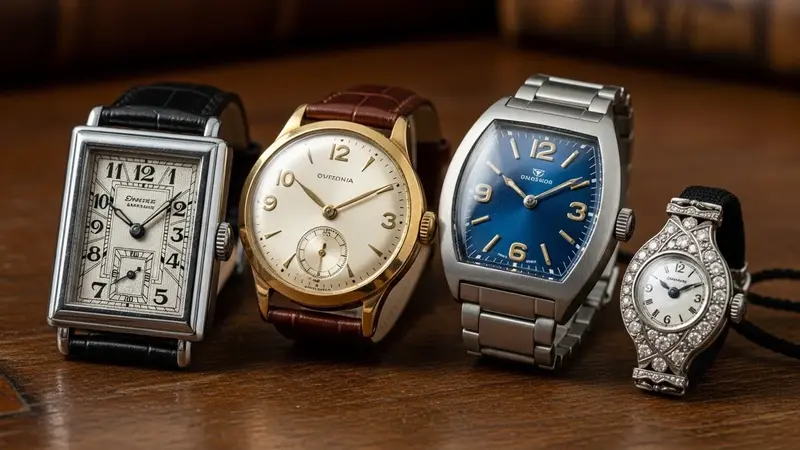
Most Sought-After Vintage Watch Brands
Not all brands perform equally in the vintage market. Experience shows that certain manufacturers dominate due to consistency and legacy.
Rolex
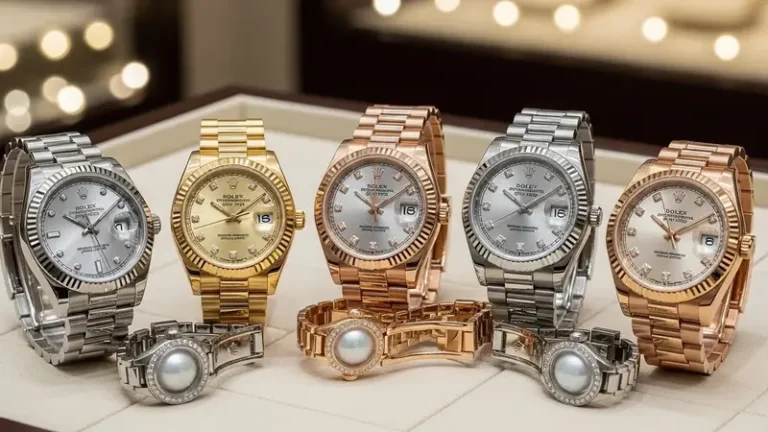
Rolex vintage watches lead the market. Models like the Submariner, Daytona, and Datejust hold strong resale value. Collectors value Rolex for reliability and timeless design.
Omega
Omega vintage watches appeal to buyers who want history without extreme pricing. The Speedmaster, especially pre-moon models, remains a collector favorite in the USA.
Patek Philippe
Patek Philippe vintage watches sit at the top of the market. Their scarcity, craftsmanship, and auction performance make them elite investment pieces.
Cartier
Cartier vintage watches stand out for design. Models such as the Tank and Santos attract collectors who value aesthetics as much as mechanics.
Mechanical vs Quartz in Vintage Watches
Understanding movements is critical when buying vintage watches.
Mechanical Watches
Mechanical and automatic movements dominate the vintage market. They offer craftsmanship, longevity, and serviceability. Collectors prefer them due to their traditional engineering.
Quartz Watches
Quartz vintage watches exist, especially from the 1970s and 1980s. While historically interesting, they usually command lower prices due to limited service options and battery dependency.
How to Authenticate Vintage Watches
Authentication separates informed buyers from disappointed ones. Many vintage watches on the market include replaced parts or incorrect components.
Authentication Checklist
- Match serial numbers with production years
- Inspect dial fonts and lume aging
- Verify movement caliber and engraving
- Review service history
- Compare case dimensions with original specifications
Buying from reputable dealers or certified vintage specialists reduces risk significantly.
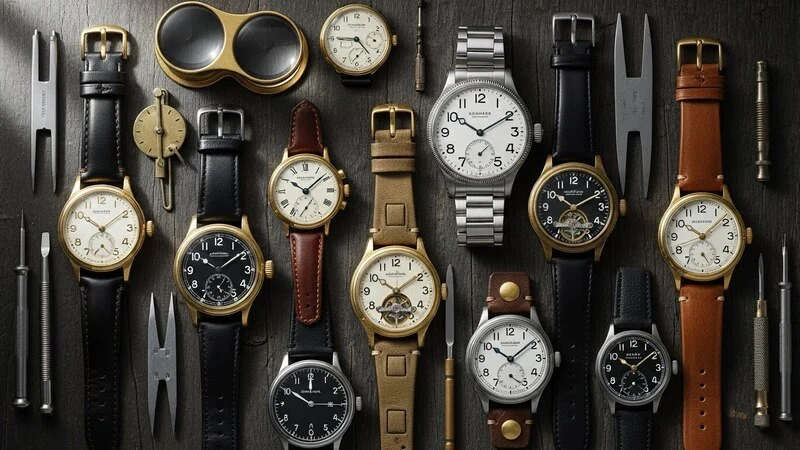
Common Mistakes to Avoid When Buying Vintage Watches
Many first-time buyers repeat the same errors. Awareness helps prevent costly mistakes.
- Over-polished cases that lose sharp edges
- Replacement dials marketed as original
- Missing original crowns or hands
- Ignoring service costs
- Chasing hype instead of condition
Condition always outweighs trend. A well-preserved lesser-known model often outperforms a popular but compromised piece.
Maintenance and Care for Vintage Watches
Proper care extends the life of vintage watches.
Best Practices
- Service mechanical watches every 4–6 years
- Avoid water exposure unless professionally tested
- Store watches in dry, temperature-stable environments
- Wind manually with care
Regular maintenance preserves both function and value.
Are Vintage Watches Right for You?
Vintage watches suit buyers who appreciate detail, patience, and authenticity. They reward research and discipline. Unlike modern watches, they require involvement and understanding. However, that engagement creates deeper satisfaction.
For many American collectors, vintage watches become lifelong companions rather than disposable accessories.
Future Outlook of the Vintage Watch Market
Market indicators suggest continued growth. Younger buyers are entering the space, driven by social media education and online marketplaces. Transparency and digital archives now support informed decision-making.
Experts predict that demand for original-condition vintage watches will increase faster than supply. This imbalance supports long-term value appreciation.
Final Thoughts
Vintage watches combine heritage, craftsmanship, and financial logic. They offer relief from mass production and short-term trends. For buyers in the USA, they represent a smarter, more meaningful way to own luxury. With the right knowledge and careful selection, vintage watches deliver lasting value on the wrist and beyond.
Olly
Olly is a fashion and style content creator behind OllyFashionStyle.com — covering everything from trending outfits and nail art to shoes, accessories, and seasonal style guides. Every post is built on real research, written to help you make confident style decisions without the fluff.