European Fashion: Timeless Style, Modern Influence, and Everyday Elegance
European fashion has long shaped how the world dresses, thinks about style, and expresses identity through clothing. From Parisian tailoring to Italian craftsmanship and Scandinavian minimalism, Europe sets trends that balance beauty with practicality. Unlike fast-moving fashion cycles elsewhere, European style values quality, fit, and individuality. It does not chase attention. Instead, it builds confidence quietly.
In this article, we explore what defines European fashion, how different regions influence global trends, and how everyday people can adopt European style effortlessly. The goal is not imitation. The goal is understanding.
What Defines European Fashion Style
European fashion stands apart because it focuses on timelessness over trends. While silhouettes evolve, the core principles remain stable.
At its heart, European style prioritizes:
- Clean lines
- Neutral color palettes
- High-quality fabrics
- Functional elegance
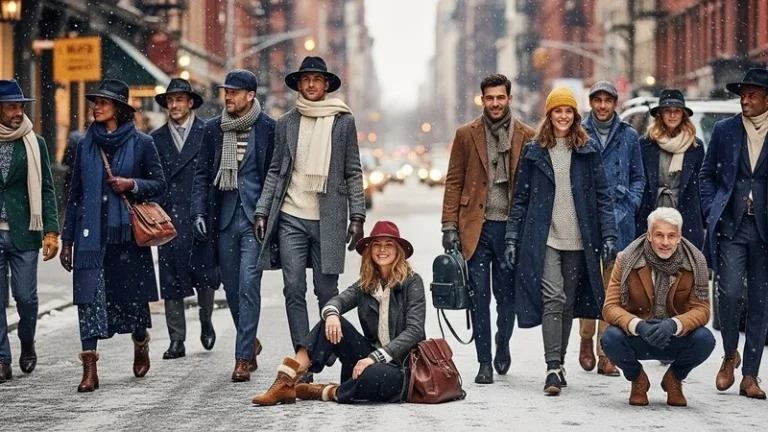
People dress for real life. Clothes must work for walking, commuting, dining, and socializing. This mindset explains why European wardrobes rely heavily on tailored coats, structured blazers, comfortable footwear, and versatile basics.
Another defining trait is confidence. Europeans rarely overdress. They let fit and fabric speak louder than logos. This approach aligns closely with modern concepts of capsule wardrobes and sustainable fashion, both of which Google often associates with European fashion discussions.
Regional Influences That Shape European Fashion
Europe does not follow one style. Each region contributes a distinct voice, yet all share a refined aesthetic.
French Fashion: Effortless and Intentional
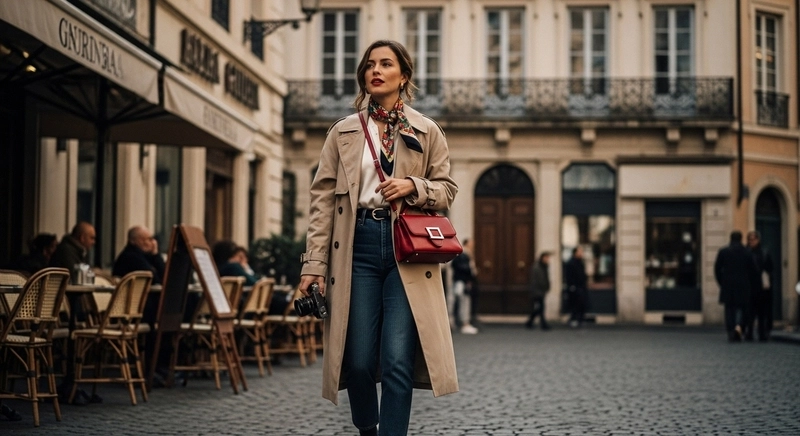
French fashion embraces simplicity with precision. Think tailored trousers, silk blouses, trench coats, and ballet flats. Parisian style avoids excess. Instead, it focuses on balance.
A neutral outfit often gains character through subtle details like a leather bag or red lipstick. This philosophy closely connects with concepts like French girl style and minimalist dressing, which you can explore further in our guide on capsule wardrobe essentials.
Italian Fashion: Craftsmanship and Confidence
Italy celebrates fashion as art. Italian style favors sharp tailoring, luxurious fabrics, and confident color use. Well-fitted suits, statement coats, and fine leather define this region.
Italian fashion also highlights the importance of craftsmanship. Brands and local artisans invest deeply in quality. This focus supports long-term wear, which links naturally to discussions around slow fashion and ethical clothing.
Scandinavian Fashion: Practical Minimalism
Scandinavian countries emphasize functionality. Clean silhouettes, muted tones, and weather-appropriate layers dominate this style.
Here, fashion solves problems. Clothes must work in cold climates while still looking modern. This practical approach aligns with lifestyle-driven fashion trends and pairs well with articles on sustainable living and conscious consumption.
Key Elements of a European-Inspired Wardrobe
Adopting European fashion does not require replacing your entire closet. Small adjustments create the biggest impact.
1. Focus on Fit
Fit matters more than brand names. Tailored clothing instantly elevates simple outfits. A well-fitted blazer transforms jeans into a polished look.
2. Choose Neutral Foundations
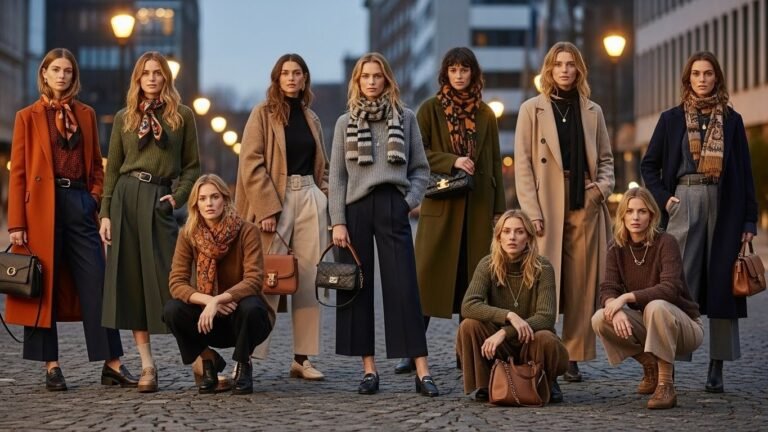
European wardrobes rely on colors like black, beige, navy, gray, and white. These tones mix easily and reduce decision fatigue.
3. Invest in Outerwear
Coats define European outfits. Trench coats, wool overcoats, and structured jackets receive more attention than seasonal trends.
4. Prioritize Footwear
Comfort meets elegance in European shoes. Loafers, ankle boots, and leather sneakers outperform flashy options.
European Fashion vs Fast Fashion Culture
One major difference between European fashion and fast fashion lies in intentional buying. European consumers often purchase fewer items but wear them longer.
This mindset reduces waste and supports sustainable practices. According to industry reports, consumers who invest in timeless pieces reduce clothing turnover by nearly 40 percent over five years. That statistic explains why Europe leads conversations around fashion sustainability and eco-conscious brands.
If you want to explore this topic further, our article on sustainable fashion choices for everyday wear breaks it down step by step.
How European Fashion Influences Global Trends
European fashion weeks in Paris, Milan, and Copenhagen guide global design decisions. Designers introduce ideas that trickle into mainstream fashion months later.
However, everyday European street style often influences trends more than runways. Social media now highlights real people styling classic pieces creatively. This shift explains why oversized blazers, neutral sets, and leather accessories dominate modern wardrobes worldwide.
European fashion proves that trends feel stronger when grounded in real life.
Common Myths About European Fashion
Many people misunderstand European style. Let us clear up a few myths.
- It is expensive
Reality: European fashion values quality, not luxury labels. - It lacks creativity
Reality: Creativity appears through texture, layering, and detail. - It is only for thin body types
Reality: Proper tailoring flatters every shape.
Understanding these points helps people approach European fashion confidently rather than feeling excluded.
How to Dress European Without Overthinking
Start small. Replace one trend-based item with a classic alternative. Choose structure over embellishment. Build outfits around comfort and confidence.
Most importantly, wear clothes intentionally. European fashion works because it aligns with lifestyle, not performance.
Conclusion: Why European Fashion Endures
European fashion remains influential because it respects both the wearer and the world. It promotes thoughtful choices, longevity, and personal expression without excess.
By focusing on fit, quality, and purpose, anyone can adopt elements of European style. You do not need to live in Paris or Milan. You only need to dress with intention.
When fashion feels natural, it lasts. That is the true legacy of European fashion.
Olly
Olly is a fashion and style content creator behind OllyFashionStyle.com — covering everything from trending outfits and nail art to shoes, accessories, and seasonal style guides. Every post is built on real research, written to help you make confident style decisions without the fluff.