Skincare Aesthetic: How to Build a Routine That Looks Good and Actually Works
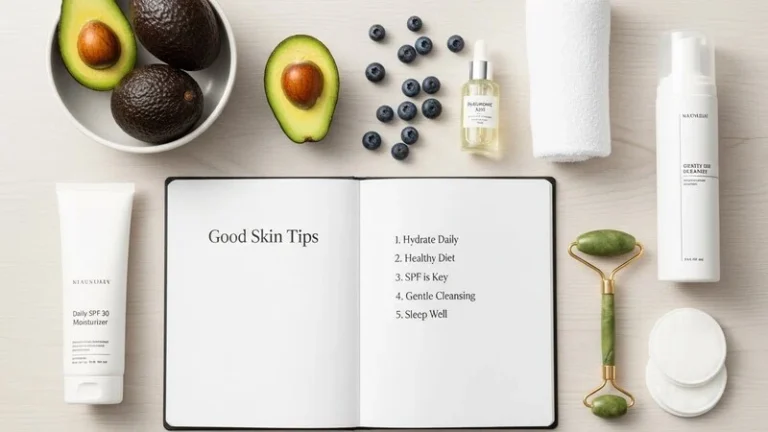
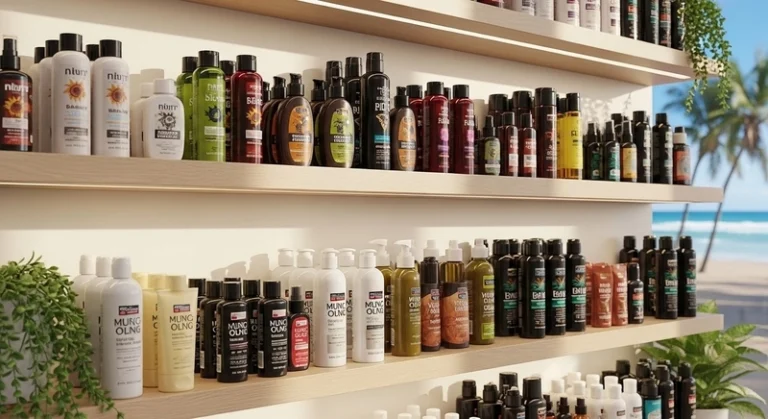
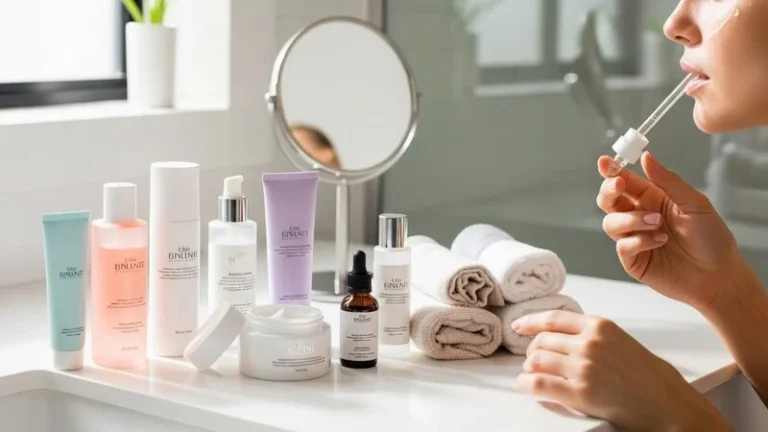
The skincare aesthetic is no longer just about pretty bottles and soft lighting. It has evolved into a lifestyle that blends skin health, visual appeal, and mindful routines. From glass-skin trends to minimalist shelves, people across the USA now care as much about how skincare feels and looks as they do about results. However, many struggle to balance aesthetics with effectiveness. A routine can look beautiful on Instagram but still damage the skin barrier if done wrong. This guide breaks down the skincare aesthetic in a practical, skin-first way—so your routine looks good, feels calming, and delivers real results.
What Does “Skincare Aesthetic” Really Mean?
At its core, the skincare aesthetic is the harmony between visual simplicity, intentional products, and healthy skin habits. It focuses on how skincare fits into daily life, not just what products you use.
A true skincare aesthetic includes:
- Clean, intentional product choices
- Consistent routines instead of overuse
- Skin-barrier-friendly formulas
- A calm, enjoyable skincare experience
Many dermatologists now emphasize that routines aligned with skin biology perform better long-term. If you want deeper insight into skin barrier health, this detailed guide on skin barrier repair explains why simplicity often wins.
Why the Skincare Aesthetic Became So Popular
The rise of skincare aesthetics links closely to mental wellness and burnout culture. Studies show that self-care routines can reduce stress levels by up to 30% when done consistently. Skincare became a daily pause—a few quiet minutes of control in a busy world.
Additionally, platforms like Pinterest and Instagram amplified clean visuals:
- Neutral tones
- Glass packaging
- Minimal product lineups
- Soft lighting and textures
However, aesthetics without science often lead to irritation, breakouts, and barrier damage. The goal is balance, not excess.
Minimalist Skincare: The Foundation of a Healthy Aesthetic
Minimalist skincare forms the backbone of any sustainable skincare aesthetic. Fewer products reduce the risk of reactions while improving consistency.
A Minimal Routine Usually Includes
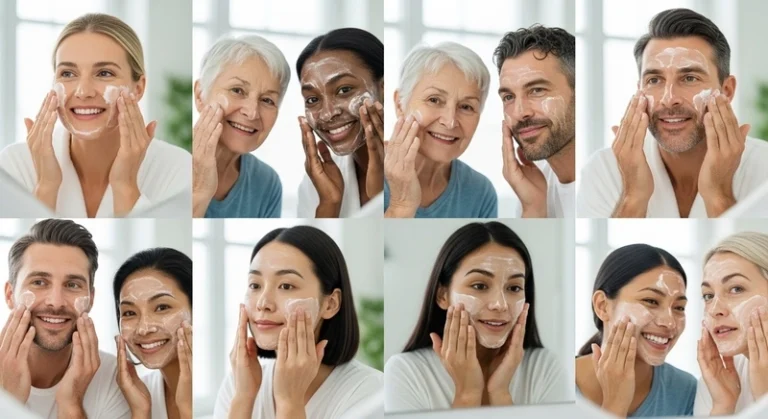
- A gentle cleanser
- A hydrating serum or essence
- A barrier-supporting moisturizer
- Daily sunscreen
Dermatologists often recommend limiting routines to 4–6 products. Over-layering actives can inflame skin, even if products look appealing.
If you want to explore how minimal routines support sensitive skin, this article on gentle skincare for sensitive skin connects well here.
The Role of Texture, Packaging, and Sensory Experience
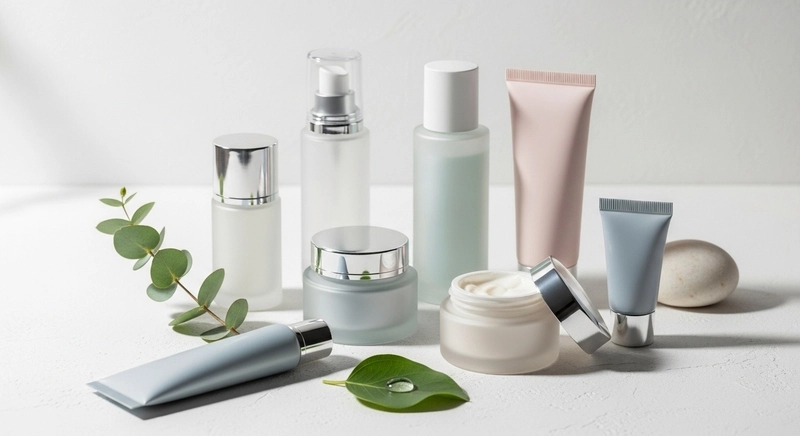
Skincare aesthetics also rely heavily on how products feel. Texture matters more than people realize.
- Lightweight gels feel refreshing and modern
- Creams feel comforting and protective
- Milky toners add a calming ritual element
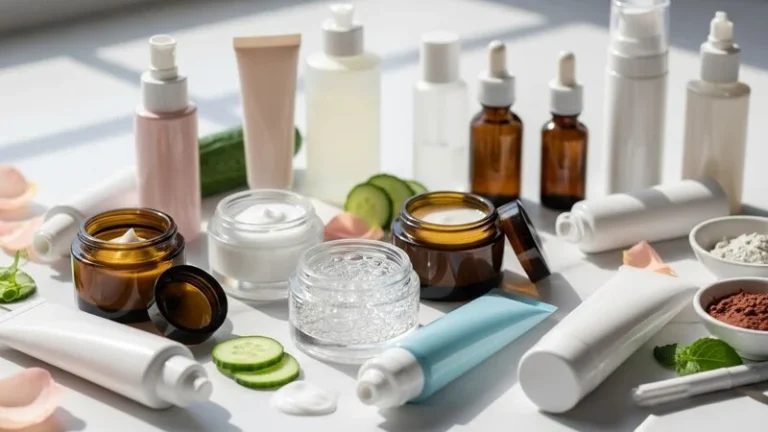
Packaging influences consistency too. Pump bottles reduce contamination. Dropper bottles support measured use. Glass jars feel luxurious but require clean hands.
Interestingly, consumer research shows people are 25% more consistent with routines they enjoy visually and sensorially. That consistency directly improves skin outcomes.
Popular Skincare Aesthetic Styles Explained
Not all skincare aesthetics look the same. Different styles match different skin goals and personalities.
1. Clean Girl Skincare Aesthetic
Focuses on dewy skin, minimal makeup, and gentle hydration. Often includes niacinamide, ceramides, and SPF.
2. Glass Skin Aesthetic
Inspired by Korean skincare. Emphasizes hydration layers, essences, and skin-reflective glow. If you follow this style, learning about hydration layering techniques helps avoid overuse.
3. Clinical Aesthetic
Leans toward dermatologist-approved brands, muted packaging, and ingredient transparency. Results-driven but visually calm.
Each aesthetic works best when adapted to skin type, not blindly copied.
Skincare Aesthetic Mistakes That Harm Your Skin
A beautiful routine can still cause damage if built incorrectly. The most common mistakes include:
- Using too many active ingredients together
- Prioritizing trends over skin type
- Ignoring sunscreen for aesthetic routines
- Switching products too frequently
For example, combining exfoliating acids daily often weakens the skin barrier. A damaged barrier leads to sensitivity, redness, and breakouts—no aesthetic can hide that.
How to Build Your Own Skincare Aesthetic (Step-by-Step)
Creating a skincare aesthetic that works requires intention, not imitation.
Step 1: Identify Your Skin Type
Dry, oily, combination, or sensitive skin all need different support.
Step 2: Choose Core Products First
Cleanser, moisturizer, sunscreen always come before serums.
Step 3: Add One Functional Serum
Hydration, barrier repair, or acne control—choose one focus.
Step 4: Create a Calm Environment
Soft lighting, a clean sink area, and organized products reinforce routine consistency.
Step 5: Stay Consistent for 6–8 Weeks
Skin needs time. Results do not appear overnight.
Morning vs Night Skincare Aesthetic
Your skincare aesthetic should change slightly based on time of day.
Morning Routine Focus
- Lightweight hydration
- Antioxidants
- Sunscreen
Night Routine Focus
- Repair
- Moisture retention
- Barrier recovery
Separating these goals keeps routines efficient and prevents product overload.
The Long-Term Benefits of a Thoughtful Skincare Aesthetic
A well-built skincare aesthetic offers more than visual satisfaction.
Benefits include:
- Improved skin texture
- Fewer breakouts
- Reduced sensitivity
- Better routine adherence
- Lower long-term skincare costs
When skincare feels enjoyable, people stick with it. Consistency remains the most powerful skincare ingredient.
Final Thoughts: Skincare Aesthetic Is a System, Not a Trend
The skincare aesthetic is not about copying shelves or viral routines. It is about designing a system that supports your skin, lifestyle, and mental space. When aesthetics meet science, skincare becomes sustainable.
Focus on simplicity. Respect your skin barrier. Choose products you enjoy using. Over time, your skin will reflect the care you put into it—naturally, calmly, and beautifully.
Olly
Olly is a fashion and style content creator behind OllyFashionStyle.com — covering everything from trending outfits and nail art to shoes, accessories, and seasonal style guides. Every post is built on real research, written to help you make confident style decisions without the fluff.