Skin Types Explained: How to Identify Your Skin Type and Care for It Properly
Introduction
Many people in the United States spend hundreds of dollars every year on skincare products that do not work for them. The reason is simple. They do not understand their skin type. According to dermatology studies, nearly 60% of skincare issues come from using products meant for the wrong skin type. That leads to breakouts, irritation, dryness, or excess oil. Your skin is not complicated, but it is specific. Once you understand how your skin behaves, skincare becomes easier, cheaper, and more effective. This guide explains different skin types, how to identify yours, and how to care for it the right way.
What Are Skin Types?
Skin types describe how your skin produces oil, retains moisture, and reacts to environmental factors. Genetics play a role, but lifestyle, climate, age, and skincare habits also influence skin behavior. Dermatologists generally classify skin into five main skin types. Each type has unique characteristics and needs a specific care approach.
Understanding your skin type helps you:
- Choose effective products
- Prevent irritation and breakouts
- Build a targeted skincare routine
- Maintain healthy skin long term
The Five Main Skin Types
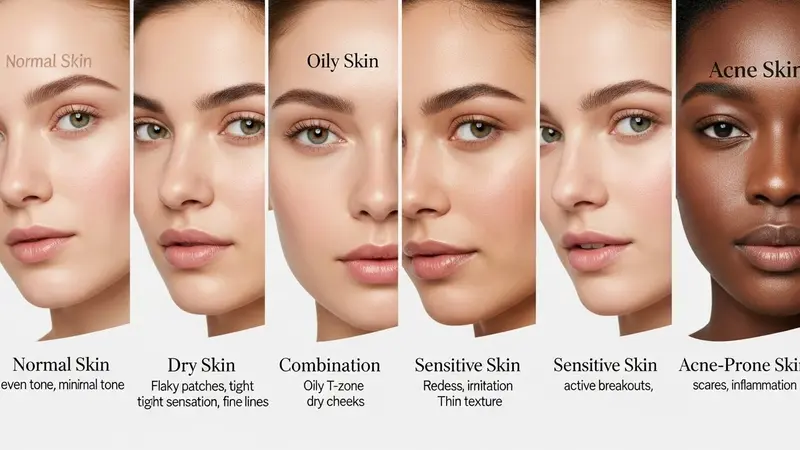
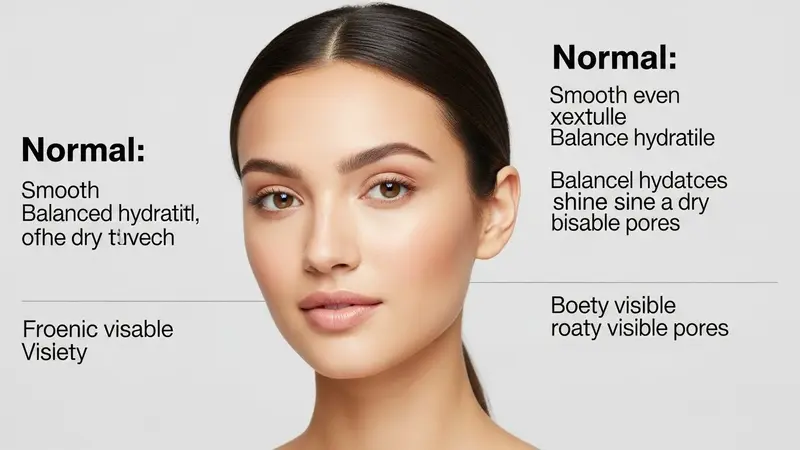
1. Normal Skin
Normal skin stays balanced. It produces enough oil to stay hydrated but not greasy.
Key characteristics
- Smooth texture
- Minimal breakouts
- Small pores
- Even tone
People with normal skin still need proper care. Ignoring skincare can shift skin toward dryness or oiliness over time.
2. Dry Skin
Dry skin lacks oil and struggles to retain moisture. In colder US states, dry skin becomes more common during winter.
Key characteristics
- Flaky or rough patches
- Tight feeling after cleansing
- Dull appearance
- Fine lines appear faster
Dry skin benefits from rich moisturizers, gentle cleansers, and barrier-repair ingredients.
3. Oily Skin
Oily skin produces excess sebum. According to the American Academy of Dermatology, oily skin is more common in younger adults and humid climates.
Key characteristics
- Shiny appearance
- Enlarged pores
- Frequent breakouts
- Makeup slides off quickly
Oily skin needs oil-control, not over-drying. Stripping the skin increases oil production.

4. Combination Skin
Combination skin shows both oily and dry areas. The T-zone stays oily, while cheeks feel dry or normal.
Key characteristics
- Oily forehead, nose, and chin
- Dry or normal cheeks
- Seasonal changes affect balance
This skin type requires targeted care for different areas of the face.
5. Sensitive Skin
Sensitive skin reacts easily. Fragrance, weather changes, and harsh ingredients often trigger irritation.
Key characteristics
- Redness
- Burning or itching
- Frequent reactions
- Easily inflamed
Sensitive skin can exist alongside other skin types, such as oily or dry skin.
Skin Type Comparison Chart
| Skin Type | Oil Production | Common Issues | Main Care Focus |
|---|---|---|---|
| Normal | Balanced | Minimal | Maintenance |
| Dry | Low | Flaking, tightness | Hydration |
| Oily | High | Acne, shine | Oil control |
| Combination | Uneven | Mixed concerns | Zone care |
| Sensitive | Variable | Redness, irritation | Barrier protection |
How to Identify Your Skin Type at Home
You do not need expensive tools. A simple method works well.
Bare-face test
- Cleanse your face with a gentle cleanser
- Do not apply any products
- Wait 60 minutes
- Observe your skin
Results
- Tight or flaky → Dry skin
- Shiny all over → Oily skin
- Shiny T-zone only → Combination skin
- Comfortable with no shine → Normal skin
- Red, itchy, or irritated → Sensitive skin
For accuracy, test your skin in the morning and evening.
Skincare Routine by Skin Type
Normal Skin Routine
- Gentle cleanser
- Lightweight moisturizer
- Broad-spectrum SPF 30
- Occasional exfoliation
Dry Skin Routine
- Cream or oil cleanser
- Rich moisturizer with ceramides
- Hydrating serum
- Sunscreen with added moisture
Oily Skin Routine
- Gel cleanser
- Oil-free moisturizer
- Salicylic acid treatment
- Non-comedogenic sunscreen
Combination Skin Routine
- Gentle foaming cleanser
- Lightweight moisturizer
- Spot treatment for oily zones
- Balanced sunscreen
Sensitive Skin Routine
- Fragrance-free cleanser
- Minimal ingredients
- Barrier-repair moisturizer
- Mineral sunscreen
Common Myths About Skin Types
Myth 1: Oily skin does not need moisturizer
This causes more oil production.
Myth 2: Skin type never changes
Hormones, climate, and age can shift skin behavior.
Myth 3: Sensitive skin is a skin type on its own
Sensitivity often overlaps with other skin types.
Why Skin Type Knowledge Improves Skin Health
Using products that match your skin type improves results by up to 70%, according to dermatology research. It reduces breakouts, irritation, and wasted spending. More importantly, it protects the skin barrier, which controls hydration and aging.
Skin care works best when it respects how your skin naturally functions.
Final Thoughts
Understanding skin types is the foundation of effective skincare. Without this knowledge, even the best products fail. Once you identify your skin type, every skincare decision becomes clearer. You stop guessing. You start seeing results. Healthy skin is not about trends. It is about informed choices and consistency. Know your skin. Care for it properly. Your skin will respond.
Olly
Olly is a fashion and style content creator behind OllyFashionStyle.com — covering everything from trending outfits and nail art to shoes, accessories, and seasonal style guides. Every post is built on real research, written to help you make confident style decisions without the fluff.