Skin Care: A Complete, Science-Backed Guide to Healthy Skin for Every Age
Introduction
Skin problems are more common than most people realize. According to the American Academy of Dermatology, nearly 85% of Americans experience skin concerns such as acne, dryness, sensitivity, or premature aging at some point in their lives. Many people invest in expensive products yet still struggle to see results. The reason is simple: effective skin care is not about trends or viral hacks. It is about understanding your skin, following proven routines, and using the right ingredients consistently. This guide breaks down skin care in a clear, practical way, so you can build habits that truly support healthy, glowing skin.
What Is Skin Care and Why It Matters
Skin care refers to the daily practices that protect, nourish, and repair your skin. Your skin is the largest organ in your body. It shields you from bacteria, pollution, and UV damage. When neglected, it shows signs of stress such as breakouts, dullness, fine lines, and irritation.
A strong skin care routine helps to:
- Maintain the skin barrier
- Prevent premature aging
- Reduce acne and inflammation
- Improve texture and tone
- Support long-term skin health
In the United States, where sun exposure, pollution, and lifestyle stressors are common, proper skin care is not optional. It is essential.
Understanding Your Skin Type
Before choosing any skin care products, you must understand your skin type. Using the wrong products can worsen existing issues.
| Skin Type | Key Characteristics | Common Concerns |
|---|---|---|
| Normal | Balanced, smooth texture | Minor sensitivity |
| Dry | Tight, flaky, dull | Fine lines, irritation |
| Oily | Shiny, enlarged pores | Acne, blackheads |
| Combination | Oily T-zone, dry cheeks | Uneven texture |
| Sensitive | Easily irritated | Redness, burning |
Knowing your skin type allows you to select ingredients that work with your skin instead of against it.

The Core Skin Care Routine Explained
A successful skin care routine does not need to be complicated. However, it must be consistent and well-structured.
1. Cleansing
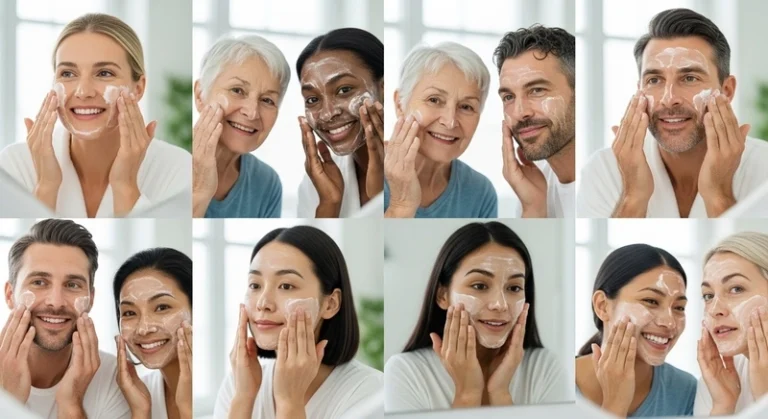
Cleansing removes dirt, oil, sunscreen, and pollutants. Dermatologists recommend cleansing twice daily, especially in the USA where environmental exposure is high.
Use:
- Gel cleansers for oily skin
- Cream cleansers for dry skin
- Gentle, fragrance-free formulas for sensitive skin
Avoid harsh cleansers. Over-cleansing damages the skin barrier and increases oil production.
2. Exfoliation
Exfoliation removes dead skin cells and improves product absorption. However, moderation is critical.
- Chemical exfoliants like AHA and BHA are safer than scrubs
- Exfoliate 1–2 times per week
- Over-exfoliation leads to redness and breakouts
Clinical studies show that regular exfoliation can improve skin texture by up to 30% within four weeks when done correctly.
3. Moisturizing
Every skin type needs moisturizer, including oily skin. Moisturizers prevent water loss and strengthen the skin barrier.
Key ingredients to look for:
- Ceramides
- Hyaluronic acid
- Glycerin
- Squalane
Skipping moisturizer forces the skin to produce excess oil, which often leads to acne.
4. Sun Protection
Sun damage is the leading cause of premature aging in the United States. The Skin Cancer Foundation reports that one in five Americans develops skin cancer during their lifetime.
Use:
- Broad-spectrum sunscreen
- SPF 30 or higher
- Apply every morning, even indoors
Daily sunscreen use reduces visible signs of aging by nearly 24%, according to long-term studies.
Advanced Skin Care Ingredients That Actually Work
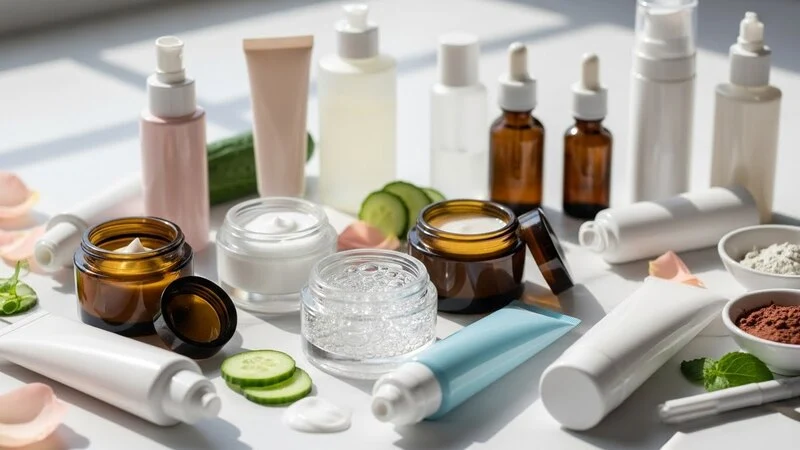
Not all ingredients deliver results. The following are clinically proven and widely recommended by dermatologists.
| Ingredient | Benefit | Best For |
|---|---|---|
| Retinol | Boosts collagen, smooths wrinkles | Aging skin |
| Vitamin C | Brightens, fights free radicals | Dull skin |
| Niacinamide | Reduces pores, controls oil | Acne-prone skin |
| Salicylic Acid | Clears pores | Oily skin |
| Peptides | Strengthen skin structure | Mature skin |
Introduce one active ingredient at a time to avoid irritation.
Skin Care by Age Group
Skin Care in Your 20s
Focus on prevention. Cleanse well, moisturize daily, and use sunscreen. Avoid aggressive treatments.
Skin Care in Your 30s
Collagen production slows down. Add antioxidants and mild retinoids. Hydration becomes critical.
Skin Care in Your 40s and Beyond
Prioritize barrier repair and anti-aging. Use richer moisturizers and targeted treatments to support elasticity.
Lifestyle Factors That Affect Skin Health
Skin care does not stop at products. Lifestyle plays a major role.
Diet
A diet high in sugar and processed foods increases inflammation. Omega-3 fatty acids, fruits, and vegetables support skin repair.
Sleep
Lack of sleep increases cortisol, which worsens acne and aging. Aim for 7–9 hours nightly.
Stress
Chronic stress disrupts hormone balance. This leads to breakouts and sensitivity. Mindfulness and exercise improve skin quality over time.
Common Skin Care Mistakes to Avoid
- Using too many active ingredients at once
- Skipping sunscreen on cloudy days
- Changing products too frequently
- Ignoring neck and hands
- Following trends without understanding your skin
Consistency always beats experimentation.
Final Thoughts: Build Skin Care That Works for You
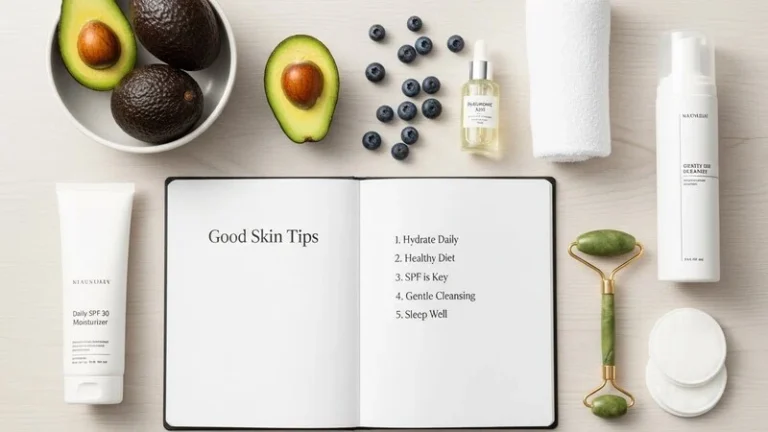
Healthy skin does not come from quick fixes. It comes from informed choices, patience, and consistency. By understanding your skin type, following a structured routine, and using proven ingredients, you can achieve long-term results. Skin care is not about perfection. It is about protection, balance, and care. When done right, your skin reflects health, confidence, and vitality at every stage of life.
Olly
Olly is a fashion and style content creator behind OllyFashionStyle.com — covering everything from trending outfits and nail art to shoes, accessories, and seasonal style guides. Every post is built on real research, written to help you make confident style decisions without the fluff.