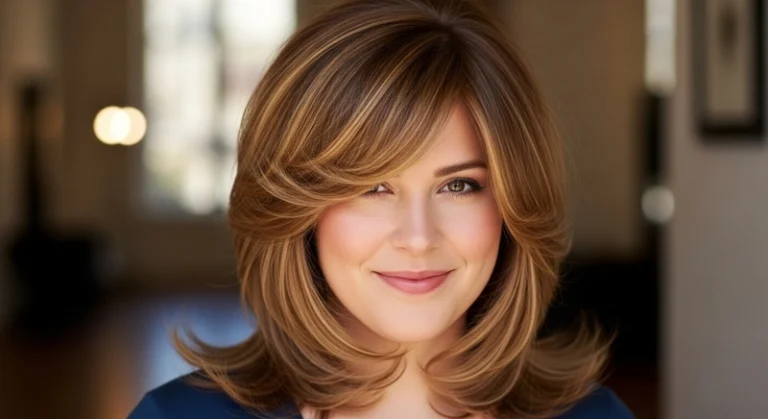
Short Haircut: A Complete Guide to Styles, Benefits, and How to Choose the Right One
A short haircut is more than a style choice. It is a statement of confidence, practicality, and personality. In the United States, searches for short haircuts rise every year, especially among people looking for low-maintenance yet stylish looks. In fact, beauty industry data shows that over 45% of women try a short haircut at least once in their lifetime. The reason is simple. Short hair saves time, feels lighter, and often highlights facial features better than long styles.
If you are considering a short haircut or want to refresh your current look, this guide will help you understand styles, benefits, and how to make the right decision.
Why Short Haircuts Are Always in Style
Short haircuts never truly go out of fashion. Trends change, but short hair keeps evolving. From classic bobs to modern pixie cuts, short hairstyles adapt to lifestyles, face shapes, and fashion movements.
Short hair works well for busy routines. It also suits people who want a clean, sharp appearance without constant styling. Many professionals prefer short hair because it looks polished with minimal effort. At the same time, creatives love it for its bold and expressive nature.
If you are exploring beauty transformations, you may also want to read our guide on face shape analysis for hairstyles, as face structure plays a key role in choosing the right cut.
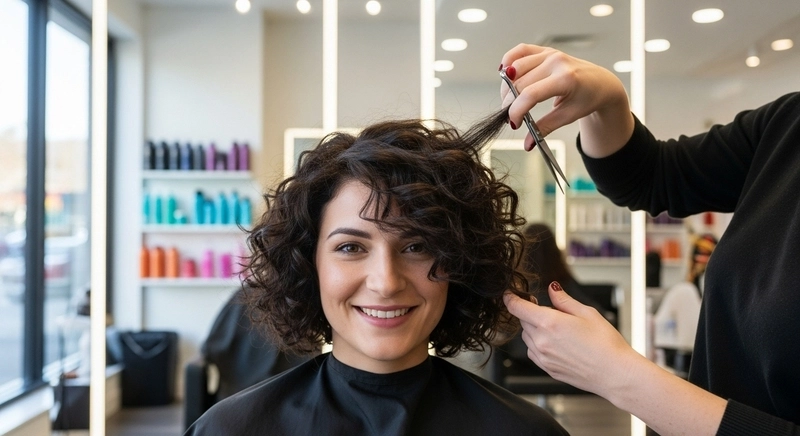
Popular Types of Short Haircuts
The Classic Bob Haircut
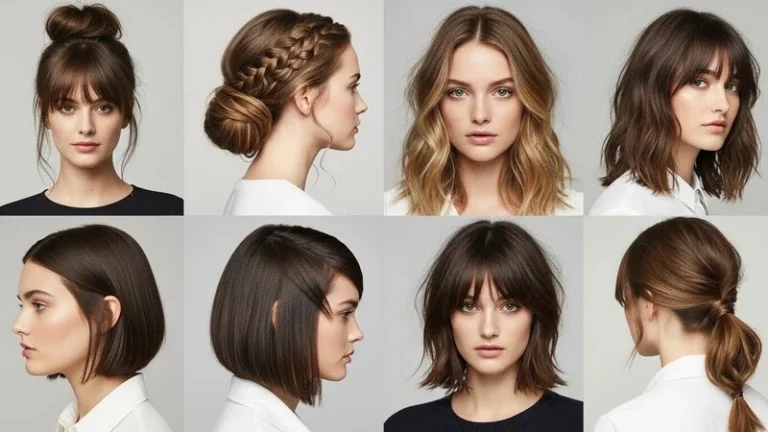
The bob remains one of the most requested short haircuts in U.S. salons. It sits between the chin and shoulders and works well for straight, wavy, or lightly curly hair.
Key reasons people choose a bob:
- It frames the face naturally
- It works for both casual and professional settings
- It suits most age groups
A blunt bob gives a sleek and modern look, while a layered bob adds movement and volume.
Pixie Cut: Bold and Timeless
The pixie cut is short, sharp, and confident. It highlights cheekbones, eyes, and jawlines. Many people hesitate before trying it, but once they do, they rarely regret it.
Pixie cuts work best when:
- You want ultra-low maintenance hair
- You enjoy styling with texture or volume
- You want a youthful and edgy look
This style pairs well with minimal makeup and statement earrings. If you are unsure, our article on haircut trials and styling consultations can help you decide.
Short Layered Haircut
Layers add dimension and softness to short hair. This option works especially well for people with thin or fine hair because it creates the illusion of volume.
Benefits of layered short hair:
- Easier styling
- Better hair movement
- Reduced flatness
Layered cuts also grow out more gracefully, which makes them ideal if you do not visit the salon often.
How to Choose the Right Short Haircut
Consider Your Face Shape
Face shape matters more with short hair because there is less length to balance proportions.
General guidelines:
- Round face: Choose styles with height or asymmetry
- Oval face: Most short haircuts work well
- Square face: Soft layers and side parts reduce sharp angles
- Heart-shaped face: Chin-length bobs or textured pixies create balance
If you want deeper insight, check our internal guide on matching hairstyles with face shapes.
Think About Your Hair Texture
Not all short haircuts behave the same way on different hair types.
- Straight hair looks clean and sharp with blunt cuts
- Wavy hair benefits from layers and texture
- Curly hair needs shape and proper length to avoid bulk
A professional stylist can adjust the cut to match your natural texture instead of fighting it.
Styling Short Hair: Simple Tips That Work
Short hair does not mean no styling. It simply means smarter styling.
Here are practical tips:
- Use lightweight products to avoid buildup
- Blow-dry with direction for shape
- Add texture with a small amount of styling cream
- Trim regularly to maintain the shape
Short hair also responds well to accessories like clips, headbands, and scarves. These add variety without effort.
Maintenance: What to Expect with Short Hair
Short hair requires fewer products but more frequent trims. Most stylists recommend a trim every 4–6 weeks to maintain structure.
Maintenance advantages:
- Less shampoo and conditioner
- Faster drying time
- Reduced heat damage
However, skipping trims can quickly make short hair lose its shape. Consistency matters more than length.
Short Haircuts for Different Lifestyles
Short hair fits many lifestyles, but choosing the right version matters.
- Busy professionals: Sleek bobs or structured pixies
- Active lifestyles: Wash-and-go short layers
- Creative fields: Asymmetrical or textured cuts
- Low-maintenance preference: Classic short cuts with minimal styling
If you travel often or work long hours, short hair can simplify your routine significantly.
Common Myths About Short Haircuts
Many people avoid short hair due to outdated myths. Let us clear a few.
- Short hair does not limit styling options
- Short hair does not make you look older
- Short hair works for all genders and ages
In reality, the right short haircut often enhances personality more than long hair ever could.
Final Thoughts: Is a Short Haircut Right for You?
A short haircut is not just about appearance. It is about comfort, confidence, and self-expression. Whether you choose a bob, pixie, or layered cut, the key is finding a style that suits your face, lifestyle, and personality.
If you are ready for a change, short hair can be refreshing and empowering. Start with a professional consultation, explore related hairstyle guides, and take the step with confidence. Short hair does not limit you. It often sets you free.
Olly
Olly is a fashion and style content creator behind OllyFashionStyle.com — covering everything from trending outfits and nail art to shoes, accessories, and seasonal style guides. Every post is built on real research, written to help you make confident style decisions without the fluff.