Sandals: The Complete Guide to Comfort, Style, and Smart Everyday Wear
Sandals are more than just open footwear. They are a lifestyle choice. In the USA, sandals remain one of the most worn shoe types, especially in warm climates and during spring and summer. According to footwear market data, over 55% of Americans own at least two pairs of sandals, proving how essential they are for daily comfort and casual style.
From running errands to beach vacations, sandals offer breathability, ease, and versatility. However, not all sandals are created equal. Choosing the right pair depends on comfort, foot support, material, and occasion. This guide breaks everything down in a simple, practical way so you can make confident choices.
Why Sandals Remain a Wardrobe Essential
Sandals solve a real problem. Closed shoes can feel heavy, hot, and restrictive. Sandals allow airflow, reduce sweat, and support relaxed movement. That is why people naturally reach for them during warmer months.
Another reason sandals stay popular is adaptability. You can wear them at home, on vacation, or even at casual work settings. Modern designs now balance comfort with fashion, which was not always the case.
If you are building a seasonal wardrobe, sandals deserve the same attention as sneakers or formal shoes. You can explore how sandals fit into broader footwear choices in our casual footwear guide.
Types of Sandals and When to Wear Them
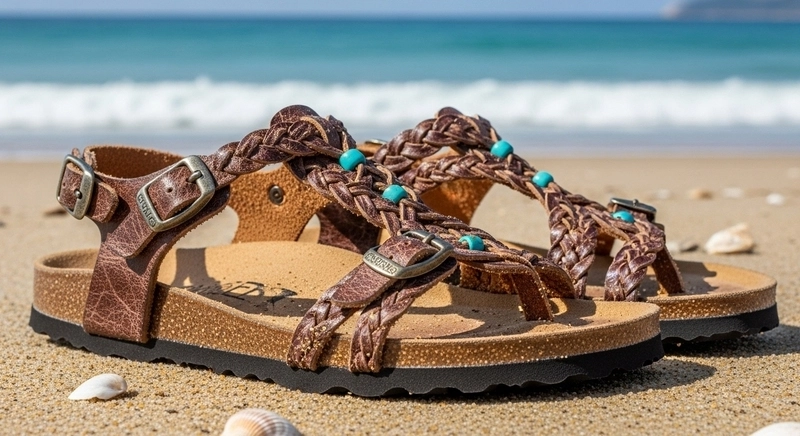
Understanding sandal types helps you avoid discomfort and poor styling choices. Each type serves a purpose.
Flat Sandals
Flat sandals work best for short walks and casual wear. They feel light and flexible. However, they often lack arch support. Choose cushioned soles if you plan to wear them longer.
Sport Sandals
Sport sandals provide strong grip, adjustable straps, and better foot support. They work well for travel, walking, and outdoor activities. Many people prefer them over sneakers in summer.
Slide Sandals
Slides offer convenience. You can wear them at home, at the beach, or for quick errands. However, they provide minimal support, so avoid long wear.
Heeled Sandals
Heeled sandals elevate outfits instantly. They work well for events and evenings. Comfort depends on heel height and strap design.
Each type serves a different need. Choosing the wrong one often leads to foot pain and posture issues.
How to Choose Comfortable Sandals
Comfort should always come first. Style means little if your feet hurt.
Here is what matters most:
- Arch support: Prevents foot fatigue
- Cushioned sole: Absorbs impact
- Adjustable straps: Ensures proper fit
- Breathable materials: Reduces sweat
Podiatrists recommend sandals with contoured footbeds, especially for daily wear. If you struggle with foot pain, you may want to read our detailed foot support and arch care guide.
Sandals for Different Occasions
Not every sandal works everywhere. Matching sandals with the occasion improves both comfort and appearance.
Everyday Wear
Choose flat or sport sandals with neutral colors. Brown, black, or tan works well with most outfits.
Beach and Vacation
Opt for waterproof sandals or slides. Look for quick-dry materials and textured soles for grip.
Casual Work Settings
Minimal leather sandals or low-heel styles fit better in relaxed office environments.
Evening and Events
Heeled or embellished sandals add elegance. Thin straps and metallic tones work well for dressy looks.
Materials That Make a Real Difference
Material quality directly affects durability and comfort.
Leather Sandals
Leather molds to your feet over time. It offers durability and a premium feel. However, leather requires care.
Synthetic Materials
These are lightweight and affordable. Many modern synthetics also offer good flexibility and water resistance.
Rubber and EVA Soles
Common in sport and slide sandals. They absorb shock well and handle moisture better.
Choosing the right material depends on how often and where you plan to wear your sandals.
Common Sandal Mistakes to Avoid
Many people unknowingly choose sandals that harm foot health.
Avoid these mistakes:
- Wearing flat sandals daily without support
- Choosing style over comfort
- Buying the wrong size due to open design
- Ignoring sole thickness
- Wearing worn-out sandals too long
Footwear experts suggest replacing sandals every 1–2 years if worn frequently.
Sandals and Seasonal Styling Tips
Sandals work best when styled thoughtfully.
- Pair neutral sandals with denim and cotton outfits
- Match leather sandals with linen pants or dresses
- Use darker sandals for evening wear
- Keep sandals clean and well-maintained
Good styling does not require expensive footwear. It requires smart pairing.
How to Care for Sandals Properly
Proper care extends the life of your sandals.
- Clean soles regularly
- Air-dry after moisture exposure
- Store away from direct sunlight
- Use leather conditioner for leather sandals
Neglecting care leads to odor, cracks, and weakened straps.
Are Sandals Good for Foot Health?
Sandals can support foot health if chosen wisely. Supportive designs improve posture and reduce strain. However, poorly designed sandals can cause heel pain, arch collapse, and knee discomfort.
If foot health matters to you, always prioritize structure and cushioning over trends.
Final Thoughts: Choosing the Right Sandals Matters
Sandals are simple, but the choice is not. The right pair improves comfort, supports your feet, and complements your lifestyle. The wrong pair creates discomfort and long-term foot issues.
Focus on fit, support, and purpose. Style will follow naturally.
If you want to explore how sandals compare with other seasonal footwear, check out our summer shoes comparison guide.
Choosing sandals wisely is not just about fashion. It is about feeling good every step you take.
Olly
Olly is a fashion and style content creator behind OllyFashionStyle.com — covering everything from trending outfits and nail art to shoes, accessories, and seasonal style guides. Every post is built on real research, written to help you make confident style decisions without the fluff.