Makeup Products: A Complete, Expert Guide to Building the Perfect Makeup Kit
Introduction
Walk into any beauty store in the U.S., and the makeup aisle can feel overwhelming. Hundreds of products. Endless brands. Promises of flawless skin. According to industry data, the average American makeup user owns over 40 cosmetic products, yet still feels unsure about what they actually need. Many people struggle with buying the wrong shades, using too many products, or skipping essential steps. This guide breaks down makeup products in a clear, practical way. You will learn what each product does, why it matters, and how to choose the right one for your needs. No confusion. No hype. Just expert-backed clarity.
Understanding Makeup Products and Their Purpose
Makeup products exist for one core reason: to enhance natural features while correcting imperfections. Each product plays a specific role. When used correctly, makeup should look seamless, not heavy or artificial.
Professional makeup artists agree on one thing. A well-curated kit always performs better than an overcrowded one. Quality, compatibility, and correct usage matter more than quantity.
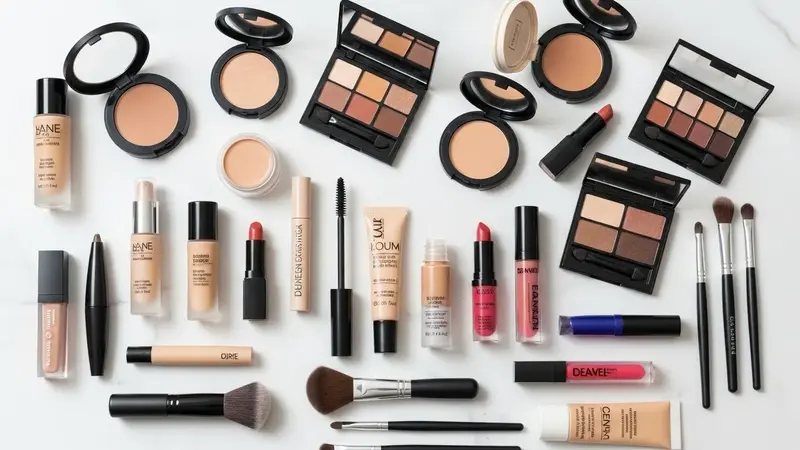
Base Makeup Products: Creating a Smooth Canvas
Base products even out skin tone and create the foundation for all other makeup.
1. Primer
Primer prepares the skin and improves makeup longevity. It smooths pores, controls oil, or adds hydration depending on the formula.
Key benefits:
- Extends makeup wear time
- Minimizes texture
- Prevents creasing
Silicone-based primers suit oily skin. Hydrating primers work best for dry skin.
2. Foundation
Foundation evens out complexion and provides coverage.
Common foundation types:
| Type | Best For | Finish |
|---|---|---|
| Liquid | All skin types | Natural to dewy |
| Powder | Oily skin | Matte |
| Cream | Dry skin | Radiant |
| Stick | Full coverage | Satin |
In the U.S., dermatologists recommend choosing foundation based on undertone, not surface color. Neutral, warm, and cool undertones determine how natural the foundation looks.
3. Concealer
Concealer targets specific concerns like dark circles, blemishes, and redness. A good concealer should blend seamlessly without settling into lines.
Use lighter shades for under-eyes. Use exact matches for blemishes.
Face Makeup Products: Adding Dimension and Glow
Once the base looks even, face products bring life back to the skin.
4. Setting Powder
Setting powder locks makeup in place. It controls shine and reduces transfer.
Loose powders suit full-face setting. Pressed powders work well for touch-ups.
5. Blush
Blush restores natural color to the face. It creates a healthy, youthful look.
Popular blush textures:
- Powder for oily skin
- Cream for dry skin
- Liquid for a natural flush
Soft peach and rose tones remain top-selling shades in the USA.
6. Bronzer
Bronzer adds warmth and subtle definition. Apply it where the sun naturally hits: cheeks, forehead, and jawline.
Avoid overly orange bronzers. Neutral brown tones look more natural.
7. Highlighter
Highlighter reflects light and enhances high points of the face. Use it sparingly for a refined glow.
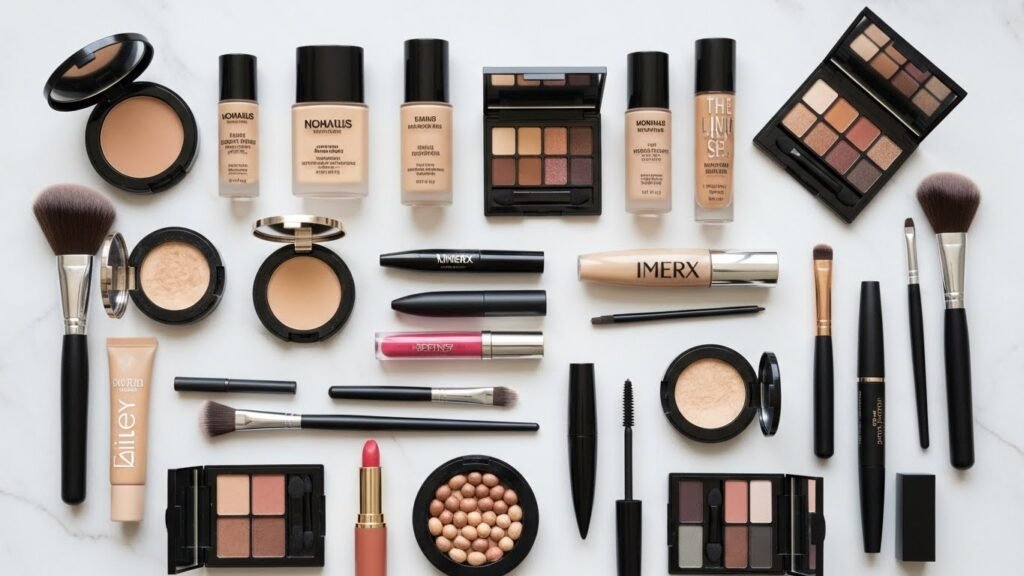
Eye Makeup Products: Defining and Enhancing the Eyes
Eye makeup products transform the face dramatically. Even minimal eye makeup can elevate an entire look.
8. Eyeshadow
Eyeshadow adds depth and dimension. Neutral palettes dominate the U.S. market because they suit daily wear.
Eyeshadow finishes include:
- Matte for definition
- Shimmer for brightness
- Satin for versatility
9. Eyeliner
Eyeliner defines eye shape and lash line.
Common types:
- Pencil for beginners
- Gel for precision
- Liquid for sharp lines
Black and brown remain the most used shades in American makeup routines.
10. Mascara
Mascara enhances lashes by adding length, volume, and curl. Most users replace mascara every three months to avoid eye infections.
Brow Makeup Products: Framing the Face
Brows shape the entire face. Well-groomed brows can reduce the need for heavy eye makeup.
11. Brow Pencil or Powder
Use pencils for definition. Use powders for a softer look. Match brow color closely to natural hair color.
12. Brow Gel
Brow gel sets hairs in place and adds fullness. Clear gels work for natural looks. Tinted gels add subtle color.
Lip Makeup Products: Completing the Look
Lip products balance the face and enhance expressions.
13. Lip Balm
Healthy lips matter. Lip balm hydrates and smooths lips before color application.
14. Lip Liner
Lip liner defines shape and prevents feathering. Nude liners remain a top trend across the USA.
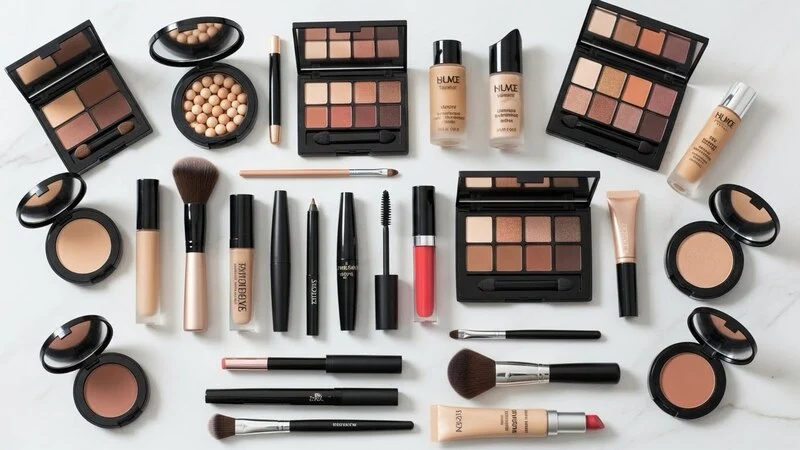
15. Lipstick, Gloss, and Tint
Each lip product serves a different purpose.
| Product | Finish | Best Use |
|---|---|---|
| Lipstick | Satin or matte | Long wear |
| Lip Gloss | Shiny | Fuller look |
| Lip Tint | Natural | Lightweight wear |
Makeup Tools and Accessories: Often Overlooked Essentials
Makeup products perform best with the right tools.
Essential Tools
- Foundation brush or sponge
- Blending brush
- Powder brush
- Lash curler
According to beauty professionals, dirty brushes cause breakouts and uneven application. Clean tools weekly.
How to Choose the Right Makeup Products
Choosing makeup products requires strategy, not impulse buying.
Expert tips:
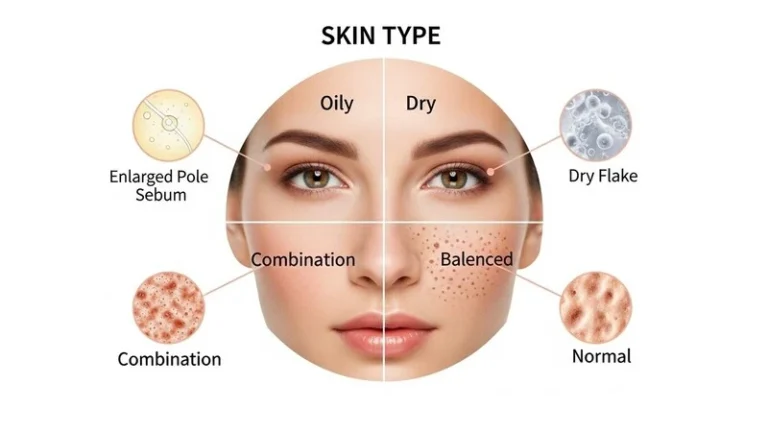
- Understand your skin type
- Match undertones accurately
- Read ingredient lists
- Test in natural light
- Prioritize multi-use products
In the U.S., dermatologists recommend non-comedogenic products for acne-prone skin.
Final Thoughts: Build Smart, Not Big
Makeup products should work for you, not against you. A thoughtful selection saves time, money, and frustration. Focus on quality, compatibility, and technique. Trends change. Fundamentals do not.
When you understand what each makeup product does and why it matters, you gain control over your routine. That confidence shows on your face.
Olly
Olly is a fashion and style content creator behind OllyFashionStyle.com — covering everything from trending outfits and nail art to shoes, accessories, and seasonal style guides. Every post is built on real research, written to help you make confident style decisions without the fluff.