Ice Skating Outfit: What to Wear for Performance, Comfort, and Style
Stepping onto the ice looks graceful from the outside, but skaters know the reality. Cold temperatures, slippery surfaces, and demanding movements make clothing choices critical. In fact, a poorly chosen ice skating outfit can limit mobility, affect balance, and even increase injury risk. According to U.S. Figure Skating participation data, millions of Americans skate recreationally or competitively each year, yet many beginners struggle most with what to wear. That confusion often leads to discomfort and poor performance. This guide breaks down everything you need to know about ice skating outfits, so you can skate with confidence, comfort, and control.
Why the Right Ice Skating Outfit Matters
An ice skating outfit does far more than look stylish. It directly affects warmth, flexibility, and safety. Ice rinks stay cold to preserve ice quality, often between 24°F and 26°F. Without proper layers, muscles stiffen quickly. That stiffness reduces agility and increases strain.
In addition, bulky clothing restricts movement. Loose garments may also catch air or disrupt balance during spins and turns. Therefore, skaters must choose outfits that provide insulation while allowing full range of motion.
Core Components of an Ice Skating Outfit
Every functional ice skating outfit includes several essential elements. Each piece plays a specific role in performance and comfort.
1. Base Layer: Temperature Control Starts Here
The base layer sits directly against the skin. Its main job involves moisture management and heat retention.
Best materials include:
- Thermal polyester blends
- Spandex-infused fabrics
- Lightweight merino wool
Avoid cotton. Cotton absorbs sweat and stays wet, which increases heat loss. A fitted thermal top and leggings keep muscles warm and dry throughout the session.
2. Skating Tops: Balance Warmth and Mobility
Skating tops should feel snug without compression. Popular options include long-sleeve training tops, zip-up jackets, and lightweight sweaters designed for ice sports.
Key features to look for:
- Stretch fabric
- Breathability
- Flat seams to prevent chafing
Competitive skaters often choose tops with mesh panels or ergonomic seams to improve airflow while maintaining warmth.
3. Skating Pants and Leggings
Legwear influences balance more than many skaters realize. Pants should follow the leg’s natural shape to help judges and coaches see alignment clearly.
Common choices include:
- Fleece-lined leggings
- Bootcut skating pants
- Compression skating tights
Bootcut pants that cover the top of the skate offer warmth and a polished look, especially popular in figure skating.
Performance vs. Recreational Ice Skating Outfits
Not all skaters need the same level of gear. Outfit selection depends heavily on skating purpose.
| Skating Type | Outfit Priority | Typical Clothing |
|---|---|---|
| Recreational | Comfort, warmth | Thermal leggings, jacket |
| Training | Flexibility, durability | Fitted tops, skating pants |
| Competitive | Precision, aesthetics | Performance costumes |
| Ice Hockey | Protection, speed | Pads, jersey, compression wear |
Recreational skaters can layer more freely. Competitive skaters must focus on streamlined designs that support jumps, spins, and footwork.
Figure Skating Outfits: Style Meets Function
Figure skating outfits balance technical needs with visual presentation. Competition dresses and practice wear both follow strict functional standards.
Practice Outfits
Practice outfits prioritize repetition and endurance. Skaters typically wear:
- Stretch tops
- Fitted skating pants
- Layered jackets for warm-ups
These outfits reduce drag and help maintain muscle temperature during extended training sessions.
Competition Costumes
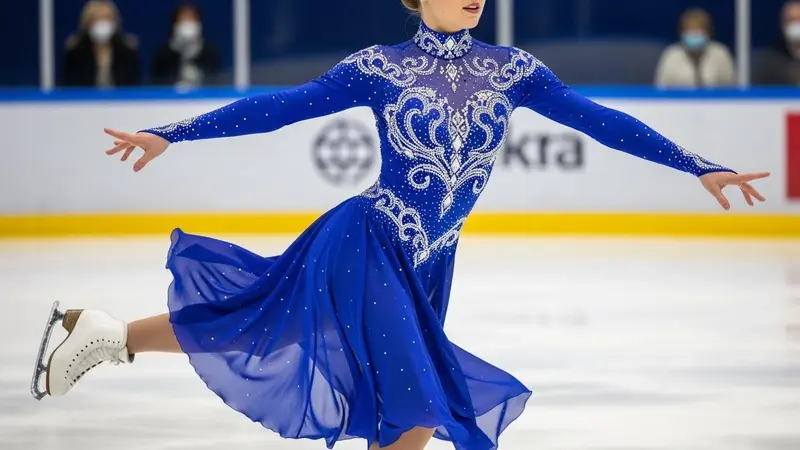
Competition dresses feature lightweight fabrics, crystal embellishments, and body-hugging silhouettes. Despite their decorative appearance, these outfits undergo rigorous testing to ensure durability and freedom of movement.
Ice Skating Accessories That Improve Performance
Accessories complete an ice skating outfit and often solve practical problems.
Gloves
Thin, insulated gloves protect fingers from cold and minor falls. Many U.S. skaters prefer gloves with grip-enhancing palms.
Socks
Thin, high-quality skating socks reduce friction inside the boot. Thick socks may cause pressure points and blisters.
Headbands and Ear Covers
Heat escapes quickly from the head. Ear covers and fleece headbands keep skaters warm without affecting balance.
What Beginners Often Get Wrong
Many beginners make the same outfit mistakes. Understanding these errors can save discomfort and frustration.
Common issues include:
- Wearing heavy coats that restrict arm movement
- Choosing jeans, which freeze and limit flexibility
- Over-layering, leading to overheating
Instead, choose light layers that you can remove as your body warms up.
Seasonal Considerations for U.S. Skaters
Ice skating outfits vary slightly depending on location and season. Outdoor rinks in northern states require more insulation. Indoor rinks in warmer regions often need fewer layers.
Quick seasonal tips:
- Winter outdoor skating: Add wind-resistant layers
- Indoor rinks: Focus on breathable fabrics
- Spring sessions: Lightweight thermal wear works best
Adapting your outfit ensures consistent performance year-round.
How Fit Affects Safety and Skill Development
Proper fit plays a critical role in injury prevention. Clothing that pulls or bunches interferes with body awareness. According to sports movement studies, restricted mobility increases fall risk during rotational movements.
Always test your outfit with basic moves. Squat, stretch, and rotate before skating. If anything feels tight or loose, adjust before stepping onto the ice.
Choosing the Best Ice Skating Outfit: Expert Advice
As a rule, prioritize function before fashion. However, you never need to sacrifice style completely. Modern ice skating outfits combine both seamlessly.
Expert recommendations:
- Invest in quality fabrics
- Choose fitted silhouettes
- Layer strategically
- Replace worn-out gear promptly
Over time, you will develop preferences based on your skating goals and comfort needs.
Final Thoughts
An ice skating outfit shapes your experience on the ice more than most skaters expect. The right combination of layers, materials, and fit improves warmth, enhances mobility, and supports skill progression. Whether you skate casually or train seriously, thoughtful outfit choices help you perform better and enjoy every glide. Choose wisely, dress intentionally, and let your clothing work with you, not against you.
Olly
Olly is a fashion and style content creator behind OllyFashionStyle.com — covering everything from trending outfits and nail art to shoes, accessories, and seasonal style guides. Every post is built on real research, written to help you make confident style decisions without the fluff.