Healthy Hair: A Practical, Science-Backed Guide for Strong, Shiny Strands
Healthy hair is not about luck or expensive products. It is about habits. Many people in the U.S. struggle with dryness, breakage, hair fall, or dullness, often without realizing that small daily choices make the biggest difference. In fact, dermatology studies show that most hair damage comes from routine grooming mistakes, not medical conditions. The good news is simple. When you understand how hair works and treat it correctly, you can improve strength, shine, and growth at any age.
This guide focuses on realistic, easy-to-follow steps for achieving healthy hair without overcomplicating your routine.
What Healthy Hair Really Means
Healthy hair is not defined by length or thickness alone. It is defined by balance.
Key signs of healthy hair
- Smooth texture with minimal frizz
- Natural shine without heavy products
- Elasticity that allows hair to stretch without snapping
- Minimal split ends and breakage
- Scalp that feels clean, not itchy or flaky
Hair health always starts at the scalp. If your scalp is not healthy, your hair will never be at its best. This is why a proper hair care routine matters more than trends or viral hacks.
The Science Behind Hair Health
Hair is made of keratin, a protein that grows from follicles beneath the scalp. Once hair leaves the scalp, it becomes biologically inactive. That means damaged hair cannot repair itself. You can only protect it or prevent further damage.
This explains why nutrition, scalp care, and gentle handling matter so much. According to dermatologists, hair growth cycles last several years, which means consistency always beats quick fixes.
If you want to understand how daily habits affect hair growth, it helps to explore the basics of a balanced hair growth cycle and how stress, diet, and hormones influence it.
Daily Habits That Support Healthy Hair
Small changes create long-term results. Focus on habits you can maintain.
1. Wash your hair correctly
Overwashing strips natural oils. Underwashing causes buildup.
- Wash 2–3 times per week for most hair types
- Use lukewarm water instead of hot
- Massage the scalp gently, not aggressively
If you are unsure how often to wash, your scalp type matters more than hair texture.
2. Choose the right shampoo
Avoid harsh sulfates if your hair feels dry or brittle. Look for shampoos with ingredients like:
- Aloe vera
- Glycerin
- Coconut-derived cleansers
For color-treated or chemically processed hair, sulfate-free formulas help preserve moisture.
Nourishing Hair from the Inside Out
No topical product can replace proper nutrition. Hair reflects what your body receives internally.
Essential nutrients for healthy hair
- Protein for strength and structure
- Iron to support oxygen flow to follicles
- Biotin for keratin production
- Omega-3 fatty acids for scalp hydration
- Vitamin D for follicle activity
According to U.S. health data, iron and vitamin D deficiencies are among the most common causes of excessive hair shedding, especially in women.
If you are curious how food choices impact hair quality, learning about a hair-friendly diet can help you make better long-term decisions.
How to Prevent Hair Damage Before It Starts
Damage prevention is easier than repair. Many people unknowingly damage their hair every day.
Common mistakes to avoid
- Brushing wet hair aggressively
- Using heat tools without protection
- Tying hair too tightly
- Sleeping on rough pillowcases
- Skipping regular trims
Switching to a microfiber towel and a wide-tooth comb alone can significantly reduce breakage.
The Right Way to Use Heat Styling Tools
Heat styling is not the enemy. Incorrect heat styling is.
Safe heat styling tips
- Always use a heat protectant spray
- Keep tools below 375°F for fine hair
- Avoid daily heat exposure
- Let hair air-dry at least 70% before styling
Professional stylists recommend treating heat like makeup, not skincare. Occasional use is fine. Daily use is not.
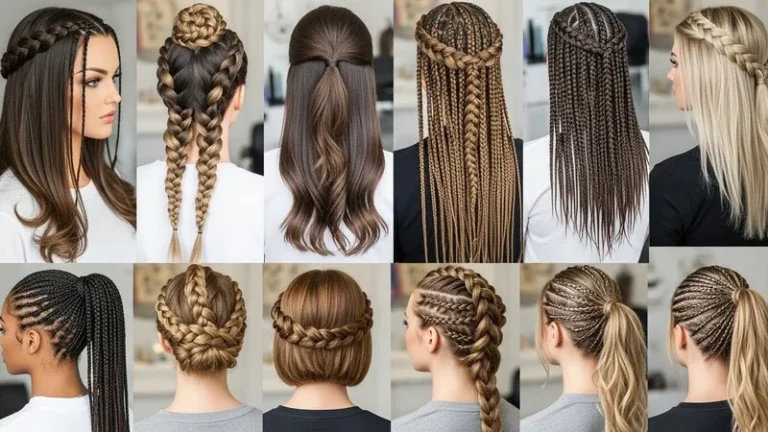
For more styling-friendly habits, it helps to understand how protective hairstyles reduce stress on hair strands.
Scalp Care: The Foundation of Healthy Hair
Healthy hair starts with a healthy scalp, yet this step is often ignored.
Scalp care essentials
- Exfoliate once every 1–2 weeks
- Avoid heavy product buildup
- Massage the scalp to boost circulation
- Protect the scalp from sun exposure
If you experience flakes, oiliness, or irritation, addressing scalp health should come before changing hair products.
Dermatologists agree that treating scalp issues early prevents long-term thinning and hair loss.
Natural Oils and Treatments That Actually Work
Not all oils suit every hair type. Choosing the right one matters.
Best oils for different needs
- Coconut oil for protein loss prevention
- Argan oil for shine and softness
- Jojoba oil for scalp balance
- Castor oil for moisture retention
Apply oils sparingly. More oil does not mean more benefits. Focus on the ends, not the scalp, unless treating dryness.
Healthy Hair Myths You Should Stop Believing
Let us clear up a few common misconceptions.
- Trimming hair does not make it grow faster
- Expensive products do not guarantee results
- Hair fall during seasonal change is normal
- Natural does not always mean better
Understanding facts helps you avoid unnecessary frustration and wasted money.
Building a Sustainable Healthy Hair Routine
Consistency creates results. Your routine does not need ten steps.
A simple weekly structure
- 2–3 wash days
- 1 deep conditioning session
- Daily gentle detangling
- Nighttime hair protection
This approach works for most hair types and lifestyles, especially if you want healthy hair without stress.
Final Thoughts on Healthy Hair
Healthy hair is not about perfection. It is about care, patience, and awareness. When you protect your scalp, nourish your body, and handle your hair gently, results follow naturally. You do not need extreme routines or constant product changes. You need habits that respect how hair actually works.
Treat your hair like a long-term investment. Over time, strength, shine, and growth will reflect the care you give it every day.
Olly
Olly is a fashion and style content creator behind OllyFashionStyle.com — covering everything from trending outfits and nail art to shoes, accessories, and seasonal style guides. Every post is built on real research, written to help you make confident style decisions without the fluff.