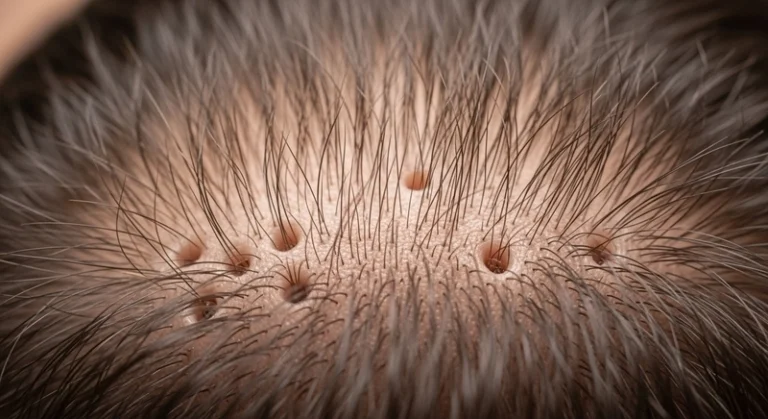
Hair Regrowth Tips: Practical, Science-Backed Ways to Grow Healthier Hair
Hair thinning and hair loss affect millions of people in the USA every year. In fact, studies show that nearly 40% of women and over 50% of men experience noticeable hair loss by age 50. The frustration is real. You try new oils, shampoos, or viral hacks, yet results feel slow or inconsistent. The good news is that hair regrowth is possible when you focus on the right habits, nutrients, and scalp care techniques.
This guide shares practical hair regrowth tips that are easy to follow, supported by research, and realistic for daily life. No gimmicks. No false promises. Just clear, actionable advice.
Understanding Hair Regrowth: How Hair Actually Grows
Before jumping into tips, it helps to understand how hair growth works. Hair grows in cycles. These include the anagen (growth) phase, catagen (transition) phase, and telogen (resting) phase. When the growth phase shortens or follicles weaken, hair appears thinner.
Common triggers include stress, hormonal changes, nutrient deficiencies, scalp issues, and genetics. You can explore these triggers in detail in our guide on common causes of hair loss, which helps identify what might be slowing your regrowth.
The goal of hair regrowth is simple. You want to support healthy follicles, extend the growth phase, and reduce unnecessary shedding.
Scalp Care: The Foundation of Hair Regrowth
Healthy hair starts at the scalp. Many people focus on strands but ignore the skin that produces them.
Why Scalp Health Matters
Your scalp contains thousands of hair follicles. When pores clog with oil, product buildup, or dead skin, follicles struggle to produce strong hair.
Effective Scalp Care Tips
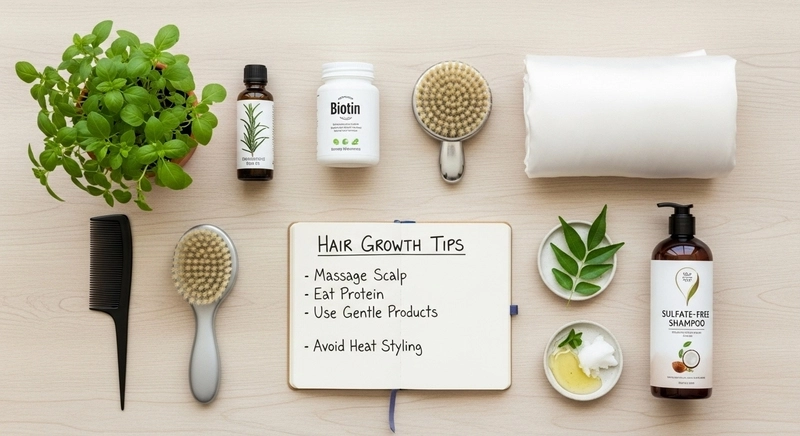
- Cleanse your scalp regularly but gently
- Avoid harsh sulfates if you have sensitivity
- Massage your scalp to improve blood circulation
- Exfoliate once a week to remove buildup
A simple 5-minute scalp massage daily can increase blood flow and support hair regrowth over time. According to dermatology studies, consistent scalp massage may improve hair thickness after several months.
If dandruff or itchiness is a concern, addressing it early helps prevent long-term shedding. Our article on scalp care routines for hair growth explains this in more detail.
Nutrition Tips That Support Hair Regrowth
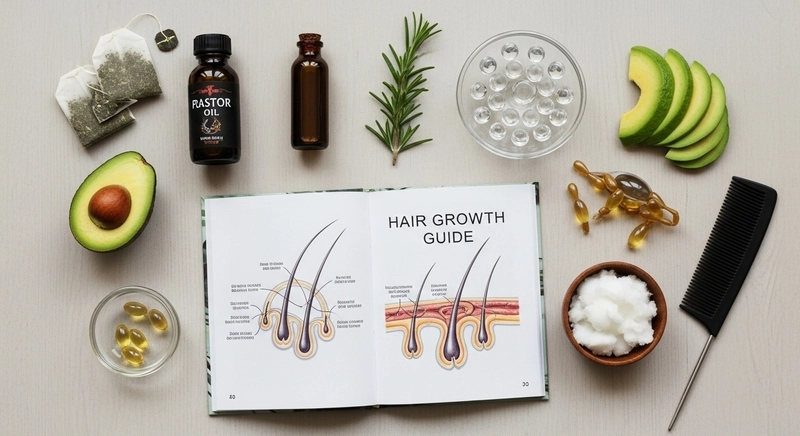
Hair is made of protein. That alone explains why nutrition plays a critical role in regrowth.
Key Nutrients for Hair Growth
- Protein: Supports hair structure
- Iron: Helps deliver oxygen to follicles
- Biotin: Supports keratin production
- Zinc: Helps with tissue repair
- Vitamin D: Supports follicle cycling
Low iron and vitamin D levels are among the most common deficiencies linked to hair thinning in the USA.
Hair-Friendly Foods to Include
- Eggs and lean meats
- Spinach and leafy greens
- Fatty fish like salmon
- Nuts and seeds
- Greek yogurt and legumes
If you suspect a deficiency, consult a healthcare provider before starting supplements. Over-supplementing can worsen hair loss instead of fixing it.
Daily Hair Habits That Encourage Regrowth
Small habits add up. Many people unknowingly damage their hair every day.
Habits to Follow
- Use a wide-tooth comb on wet hair
- Let hair air-dry when possible
- Trim split ends regularly
- Sleep on a silk or satin pillowcase
Habits to Avoid
- Tight hairstyles that pull the roots
- Excessive heat styling
- Aggressive towel drying
- Skipping conditioner completely
Traction from tight ponytails and buns can cause a condition known as traction alopecia, which slows regrowth. Looser styles give follicles room to recover.
Natural Oils and Treatments That Help Hair Regrowth
Natural oils do not magically regrow hair overnight, but some improve scalp health and reduce breakage.
Popular Oils for Hair Regrowth
- Rosemary oil: Linked to improved circulation
- Castor oil: Helps lock in moisture
- Peppermint oil: Stimulates follicles when diluted
Always dilute essential oils with a carrier oil. Apply them two to three times per week and massage gently.
For more detailed guidance, check our resource on natural remedies for hair regrowth.
Stress Management: An Overlooked Hair Regrowth Tip
Stress affects hormones, sleep, and nutrient absorption. Chronic stress can push hair into the resting phase prematurely.
Simple Stress-Reduction Practices
- Short daily walks
- Breathing exercises
- Consistent sleep schedule
- Limiting caffeine late in the day
Even reducing stress slightly can make a noticeable difference over several months.
When to Consider Professional Help
Sometimes, lifestyle changes are not enough. If hair loss continues for more than six months, consult a dermatologist.
Professional options may include:
- Topical treatments
- Prescription medications
- Microneedling
- Clinical scalp therapies
Early intervention improves outcomes significantly. You can learn what to expect from professionals in our guide on hair loss treatment options.
Common Hair Regrowth Myths to Ignore
Let us clear up a few myths quickly.
- Trimming hair does not make it grow faster
- Washing hair does not cause hair loss
- Oils alone cannot fix hormonal hair loss
- Results take time, not days
Hair regrowth is a long-term process, not a quick fix.
Final Thoughts: Consistency Is the Real Secret
Hair regrowth does not come from one product or one routine. It comes from consistent care, patience, and understanding your body. Focus on scalp health, nutrition, gentle habits, and stress control. Track progress monthly, not daily.
When you support your hair from the inside and outside, regrowth becomes achievable. Not instant. But real.
Olly
Olly is a fashion and style content creator behind OllyFashionStyle.com — covering everything from trending outfits and nail art to shoes, accessories, and seasonal style guides. Every post is built on real research, written to help you make confident style decisions without the fluff.