Hair Growth: How to Grow Stronger, Healthier Hair Naturally
Hair growth is one of the most searched beauty and wellness topics in the United States, and for good reason. Hair thinning, breakage, and slow growth affect millions of people every year. In fact, studies show that the average human hair grows only about half an inch per month, which can feel painfully slow if you are dealing with hair fall or damage. The good news is this: hair growth is not random. It depends on habits, nutrition, scalp health, and consistency. Once you understand how growth really works, you can support your hair in the right way instead of chasing quick fixes.
This guide breaks down hair growth in a simple, practical way so you can take real action without feeling overwhelmed.
How Hair Growth Actually Works
Before trying to speed up hair growth, it helps to understand the basics. Hair grows in cycles, not continuously. Each strand follows three main phases:
- Anagen (growth phase): This stage lasts between 2 to 7 years. The longer this phase lasts, the longer your hair can grow.
- Catagen (transition phase): A short phase where hair detaches from the blood supply.
- Telogen (resting phase): Hair eventually sheds, making room for new growth.
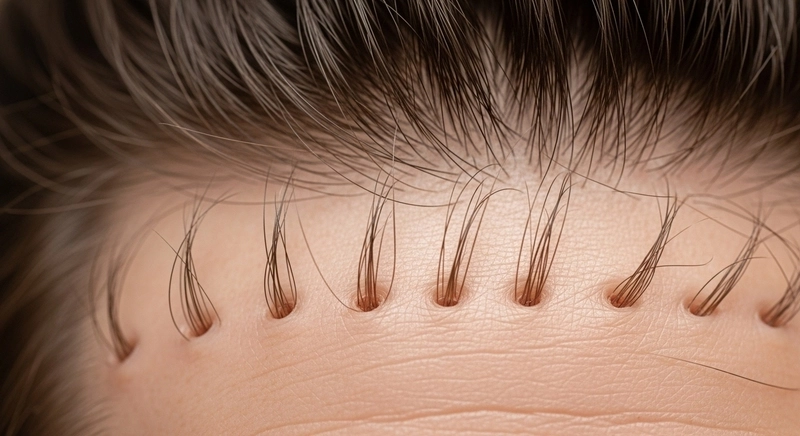
Most hair growth issues happen when the anagen phase shortens or when too many hairs enter the shedding phase at once. Stress, poor diet, hormonal imbalance, and scalp issues often trigger this imbalance.
Common Reasons Why Hair Growth Slows Down
Hair does not stop growing overnight without a reason. In most cases, everyday habits quietly work against you.
1. Poor Scalp Health
Your scalp is living skin. If it stays clogged, dry, or inflamed, hair follicles cannot function properly. This is why scalp care matters just as much as hair care. You can explore more about this in our guide on scalp care routines for healthy hair.
2. Nutrient Deficiencies
Hair growth relies heavily on protein, iron, zinc, biotin, and vitamins like B12 and D. Low levels can weaken strands and slow growth.
3. Excessive Heat and Styling
Daily straightening, curling, or tight hairstyles cause breakage. Hair may grow at the root, but it breaks faster than it grows.
4. Chronic Stress
Stress pushes more hair into the shedding phase. This condition, known as telogen effluvium, is common and reversible but often ignored.
Best Habits That Support Healthy Hair Growth
Hair growth responds best to small, consistent habits rather than drastic changes.
Daily Habits That Make a Difference
- Massage your scalp for 5 minutes to boost blood circulation
- Avoid brushing wet hair aggressively
- Use gentle, sulfate-free shampoos
- Keep hairstyles loose to reduce tension
These habits may seem simple, but they protect the hair you already have, which is just as important as growing new strands.
Nutrition for Hair Growth: What Your Hair Needs to Thrive
Hair is made of keratin, a protein structure. Without proper nutrition, growth slows down no matter what products you use.
Key Nutrients for Hair Growth
- Protein: Eggs, fish, chicken, lentils
- Iron: Spinach, red meat, beans
- Omega-3 fatty acids: Walnuts, flaxseeds, salmon
- Biotin: Nuts, seeds, whole grains
- Vitamin D: Sun exposure and fortified foods
If you want a deeper breakdown, our article on foods that promote hair growth naturally explains this in detail.
Natural Remedies That Help Hair Grow Faster
While no remedy works overnight, some natural methods consistently show benefits when used correctly.
Popular Natural Hair Growth Methods
- Scalp oiling: Oils like coconut, castor, and rosemary oil improve scalp condition.
- Aloe vera: Soothes irritation and supports follicle health.
- Onion juice: Rich in sulfur, which supports keratin production.
- Rice water: Strengthens hair shafts and improves elasticity.
Consistency matters more than variety. Choose one or two methods and stick to them.
Hair Growth Products: What Actually Works
Not all hair growth products are equal. Many promise fast results but ignore the science.
What to Look for in Hair Growth Products
- Ingredients like caffeine, niacinamide, peptides, and biotin
- Lightweight formulas that do not clog pores
- Products designed for scalp use, not just hair length
Avoid products that rely heavily on alcohol or artificial fragrance, as they can dry out the scalp. For product recommendations, see our guide on choosing the right hair care products for your hair type.
Hair Growth Myths You Should Stop Believing
Hair growth myths spread fast and cause frustration. Let’s clear a few of them.
- Myth: Cutting hair makes it grow faster
- Truth: Trimming prevents breakage but does not affect the roots
- Myth: Washing hair daily causes hair fall
- Truth: Hair fall during washing is usually shed hair already in the resting phase
- Myth: One oil works for everyone
- Truth: Scalp type matters more than trends
Understanding these myths saves time and money.
When to See a Professional About Hair Growth
If hair thinning continues for more than three to six months, it may be time to consult a dermatologist or trichologist. Conditions like hormonal imbalance, thyroid disorders, or genetic hair loss need professional evaluation. Early intervention often leads to better results.
Final Thoughts on Hair Growth
Hair growth is a long-term process, not a quick fix. Strong, healthy hair comes from balanced nutrition, gentle care, and patience. Instead of chasing viral trends, focus on building a routine that supports your scalp and strands every day. When you treat hair growth as part of overall health, the results last longer and look better.
If you stay consistent, your hair will respond. Not instantly, but steadily—and that is how real hair growth happens.
Olly
Olly is a fashion and style content creator behind OllyFashionStyle.com — covering everything from trending outfits and nail art to shoes, accessories, and seasonal style guides. Every post is built on real research, written to help you make confident style decisions without the fluff.