Good Skin Tips: Simple, Science-Backed Habits for Healthy, Glowing Skin
Good skin does not come from expensive products alone. It comes from consistent habits, the right knowledge, and understanding what your skin truly needs. Many people struggle with dullness, breakouts, dryness, or early aging because they follow trends instead of basics. According to dermatology surveys in the USA, nearly 70% of common skin issues are linked to poor routine choices, not genetics.
The good news is this: healthy skin is achievable. You only need simple, proven skin care tips that work in real life, especially with busy schedules and mobile-first lifestyles. Below is a clear, practical guide to good skin tips that actually make a difference.
Understand Your Skin Type Before Anything Else
Before buying products or following advice online, you must understand your skin type. This step alone can prevent most skin problems.
Common Skin Types
- Oily skin: Shiny, enlarged pores, frequent breakouts
- Dry skin: Tight feeling, flaking, rough texture
- Combination skin: Oily T-zone, dry cheeks
- Sensitive skin: Redness, itching, easy irritation
- Normal skin: Balanced, minimal issues
Using the wrong products for your skin type often leads to breakouts, dryness, or irritation. For example, heavy creams on oily skin clog pores, while foaming cleansers can damage dry skin.
If you want a deeper breakdown, this guide on how to identify your skin type explains it step by step.
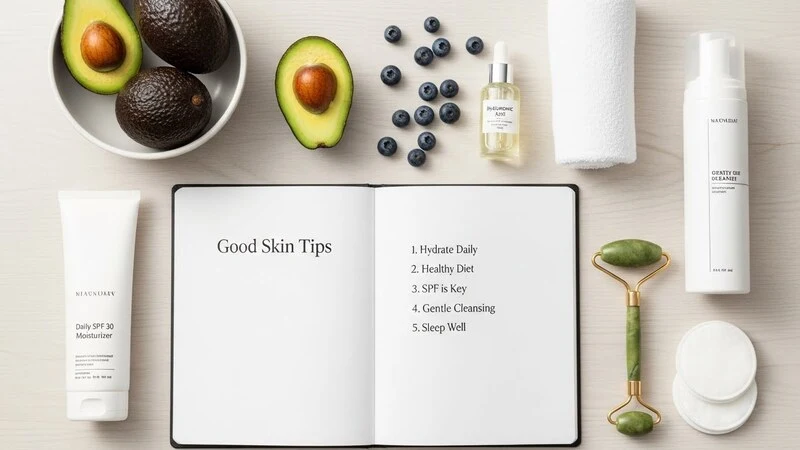
Build a Simple Daily Skincare Routine
Good skin does not need a 10-step routine. In fact, dermatologists agree that consistency beats complexity.
Morning Skincare Routine
- Gentle cleanser to remove oil and sweat
- Moisturizer to protect the skin barrier
- Sunscreen (SPF 30 or higher)
Skipping sunscreen is one of the biggest skincare mistakes. UV exposure causes pigmentation, wrinkles, and premature aging, even on cloudy days.
You can explore a dermatologist-approved daily skincare routine if you want a structured approach.
Night Skincare Routine
- Cleanse to remove dirt and makeup
- Apply treatment products if needed
- Moisturize to repair overnight
Nighttime is when your skin repairs itself. This is why hydration matters most before sleep.
Hydration Is the Foundation of Good Skin
Skin hydration works from inside and outside.
Internal Hydration
- Drink enough water daily
- Eat water-rich foods like cucumber, watermelon, and oranges
- Reduce excessive caffeine and alcohol
Dehydrated skin often looks dull and tired, even if it is oily.
External Hydration
- Use a moisturizer suited to your skin type
- Look for ingredients like hyaluronic acid, glycerin, and ceramides
- Avoid harsh soaps that strip natural oils
A healthy skin barrier locks in moisture and protects against pollution and bacteria.
Nutrition Plays a Bigger Role Than You Think
What you eat shows on your skin. Research shows that diets high in sugar and processed foods can increase acne and inflammation.
Skin-Friendly Foods
- Fatty fish for omega-3s
- Nuts and seeds for zinc
- Fruits and vegetables for antioxidants
- Green tea for inflammation control
On the other hand, excessive sugar may speed up collagen breakdown, leading to early wrinkles.
If skin concerns like acne or dullness persist, nutrition often needs attention alongside skincare.
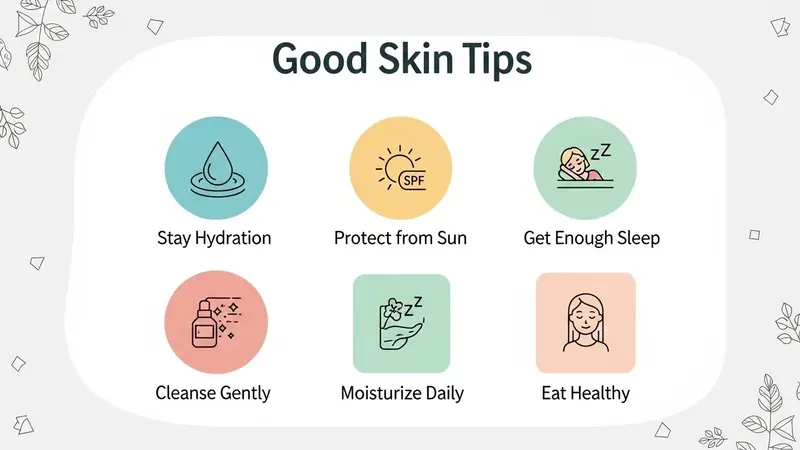
Sleep and Stress Directly Affect Your Skin
Here is an honest truth: no skincare product can replace sleep.
Lack of sleep increases cortisol, the stress hormone. High cortisol leads to:
- Breakouts
- Puffiness
- Dark circles
- Dull complexion
Aim for 7–8 hours of quality sleep each night. Also, manage stress through light exercise, breathing techniques, or simple routines that calm your nervous system.
Your skin reflects your lifestyle more than your product shelf.
Do Not Over-Exfoliate (Yes, This Matters)
Exfoliation removes dead skin cells, but too much damages your skin barrier.
Safe Exfoliation Tips
- Exfoliate 1–2 times per week
- Choose chemical exfoliants over harsh scrubs
- Avoid exfoliating irritated or broken skin
Signs you are exfoliating too much include redness, burning, and sudden breakouts.
Good skin looks calm, not stripped.
Sun Protection Is Non-Negotiable
If you remember only one tip, remember this: sun protection is the best anti-aging solution.
UV damage causes:
- Fine lines and wrinkles
- Dark spots and uneven tone
- Loss of skin elasticity
Apply sunscreen every morning and reapply if you stay outdoors. This habit alone can slow visible aging by years.
You can learn more in this guide on why sunscreen is essential for healthy skin.
Common Mistakes That Ruin Good Skin
Even with good intentions, small mistakes can undo progress.
Avoid These Habits
- Sleeping with makeup on
- Touching your face frequently
- Using too many new products at once
- Switching skincare too often
- Ignoring patch tests
Skincare works best when you give products time to show results.
Good Skin Is About Long-Term Care, Not Perfection
Healthy skin is not about flawless photos or unrealistic standards. It is about balance, protection, and patience. When you respect your skin’s needs, results follow naturally.
Focus on:
- Simple routines
- Consistent habits
- Gentle care
- Smart lifestyle choices
Good skin does not happen overnight, but it always rewards effort over time.
Olly
Olly is a fashion and style content creator behind OllyFashionStyle.com — covering everything from trending outfits and nail art to shoes, accessories, and seasonal style guides. Every post is built on real research, written to help you make confident style decisions without the fluff.