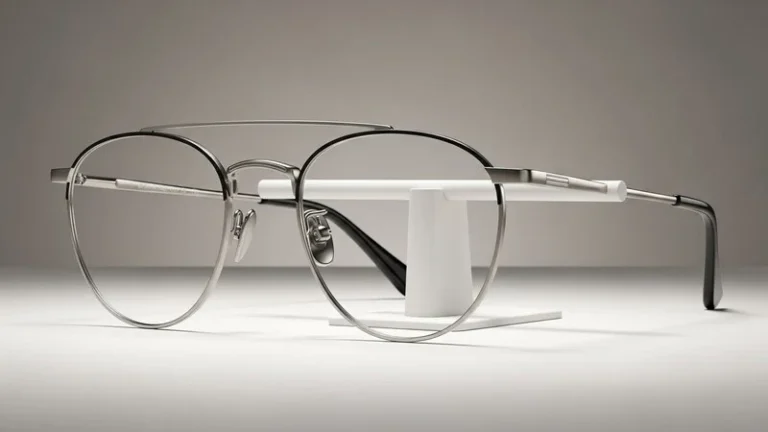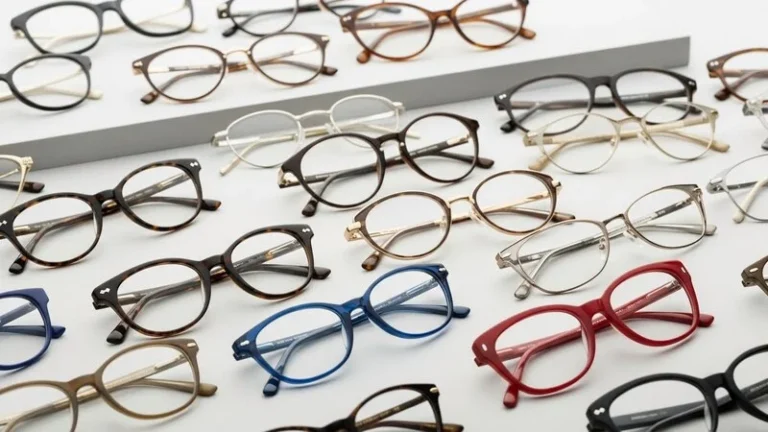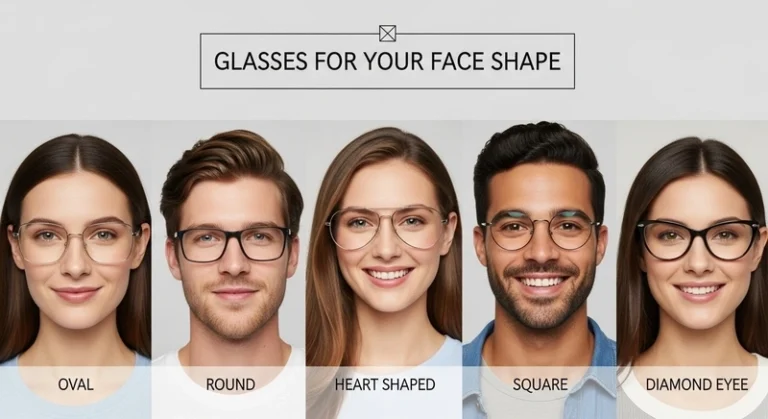
Glasses for Round Faces: How to Choose Frames That Sharpen and Balance Your Look
Introduction
If you have a round face, you are not alone. According to facial analysis data used by eyewear brands, nearly 40% of people fall into the round or round-leaning face shape category. Yet many struggle to find glasses that truly flatter their features. The most common complaint is simple: frames make the face look wider or softer than it already is. This is exactly where outline glasses for round faces come in. The right outline frame can add structure, create contrast, and visually slim the face. In this guide, you will learn which outline glasses work best, why they work, and how to choose frames that instantly upgrade your appearance.
Understanding a Round Face Shape
Before choosing glasses, you must understand your face shape. A round face typically has:
- Nearly equal width and length
- Soft curves with no sharp angles
- Full cheeks
- A rounded jawline
Because round faces lack strong angles, the goal of eyewear styling is to add definition and structure. Outline glasses achieve this by introducing straight lines, bold edges, and contrasting shapes.
Why Outline Glasses Work Best for Round Faces
Outline glasses feature clearly defined edges and visible frame borders. These frames do more than hold lenses. They reshape how the face appears.
Here is why outline glasses for round faces are so effective:
- They break facial curves with angular lines
- They create a slimming illusion
- They add visual balance to soft features
- They draw attention upward toward the eyes
In contrast, thin or rimless frames often blend into a round face and emphasize fullness. Structured outline frames do the opposite.
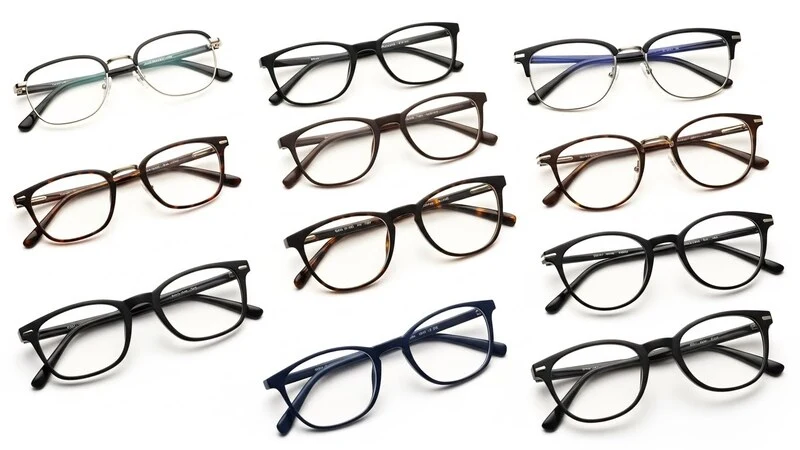
Best Outline Glasses Styles for Round Faces
Not all outline frames are equal. Some designs work far better for round faces than others.
1. Rectangular Outline Glasses
Rectangular frames are one of the most recommended options for round faces. Their horizontal and vertical lines counterbalance facial curves.
Why they work:
- Add length to the face
- Reduce the appearance of roundness
- Offer a professional and modern look
Rectangular outline glasses are especially popular in the USA for both prescription eyewear and blue-light glasses.
2. Square Outline Frames
Square frames take structure one step further. They introduce bold angles that sharpen soft facial features.
Best for:
- People with very round cheeks
- Those who want a confident, statement look
Square outline glasses work well in acetate or thicker plastic materials, which add even more definition.
3. Geometric Outline Glasses
Geometric frames such as hexagonal or octagonal shapes have grown in popularity. According to eyewear trend reports, geometric glasses searches increased by over 30% in the last two years in the US market.
Why choose them:
- Add instant edge and personality
- Break symmetry in a flattering way
- Work well for fashion-forward wearers
These frames are ideal if you want something modern yet functional.
4. Browline Outline Glasses
Browline frames emphasize the upper portion of the face. This shifts attention away from fuller cheeks.
Benefits:
- Create a lifting effect
- Add contrast between forehead and jawline
- Suitable for both casual and professional settings
Browline outline glasses are a strong choice for round faces with softer jawlines.
Outline Glasses Styles to Avoid for Round Faces
Knowing what not to wear is just as important.
Avoid these styles:
- Round outline glasses that repeat facial curves
- Oval frames that add softness
- Small frames that make the face look larger by comparison
These designs tend to exaggerate roundness rather than balance it.
Best Frame Colors for Round Faces
Color matters almost as much as shape. Darker and bolder colors add contrast, which helps define facial structure.
Top color choices:
- Black
- Tortoiseshell
- Deep brown
- Navy
- Dark green
Clear or pastel frames may work in some cases, but bold outline glasses generally perform better for round faces.
Ideal Frame Size and Fit
Choosing the right size ensures that outline glasses do their job effectively.
| Feature | Recommendation for Round Faces |
|---|---|
| Frame width | Slightly wider than cheekbones |
| Bridge size | Medium to wide |
| Lens height | Moderate, not oversized |
| Temple length | Proper fit without sliding |
Oversized frames can overwhelm the face, while undersized frames make it appear fuller.
Prescription vs Non-Prescription Outline Glasses
Both prescription and fashion glasses follow the same rules for round faces. However, heavier prescription lenses benefit even more from structured outline frames because they:
- Provide better lens support
- Maintain shape over time
- Look intentional rather than bulky
For daily wear, durability and balance should always come first.
How Outline Glasses Improve Facial Proportion
From a visual perception standpoint, angular shapes create contrast. Studies in facial symmetry show that contrast improves perceived balance and sharpness. Outline glasses introduce this contrast naturally.
In simple terms:
- Curves plus angles equal balance
- Curves plus curves equal exaggeration
This is why outline glasses consistently rank among the best glasses for round faces in professional styling guides.
Expert Tips for Buying Outline Glasses Online
When shopping online, use these expert tips:
- Check frame dimensions, not just photos
- Look for model images labeled with face shape
- Read customer reviews mentioning round faces
- Choose return-friendly retailers
Virtual try-on tools also help reduce guesswork.
Final Thoughts
Choosing the right eyewear can completely transform your appearance. If you have a round face, outline glasses are not just an option; they are a strategic styling choice. They add structure, sharpen features, and create balance where softness dominates. Rectangular, square, geometric, and browline outline frames consistently deliver the best results for round faces.
When you focus on contrast, proportion, and fit, you move beyond trends and make confident, informed decisions. The right outline glasses will not hide your face. Instead, they will define it.
Olly
Olly is a fashion and style content creator behind OllyFashionStyle.com — covering everything from trending outfits and nail art to shoes, accessories, and seasonal style guides. Every post is built on real research, written to help you make confident style decisions without the fluff.