Fashion Trends
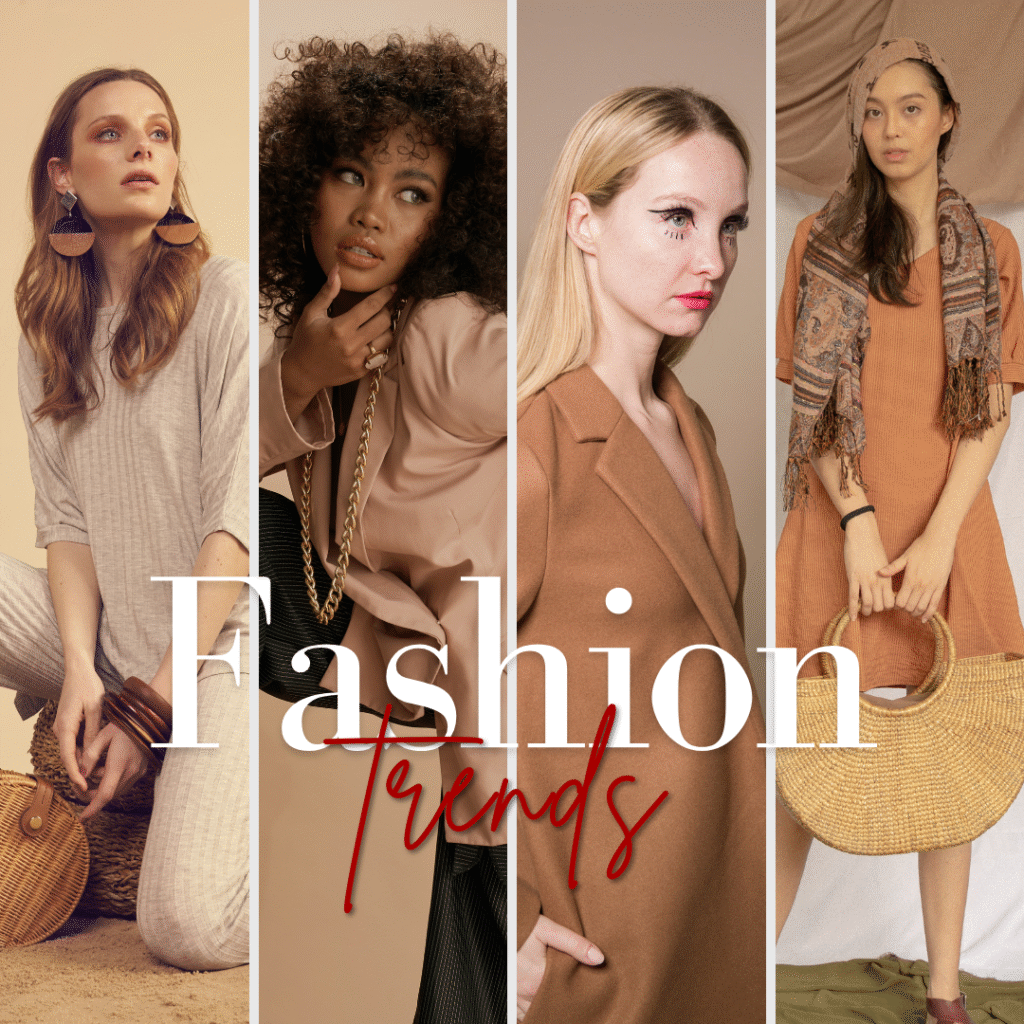
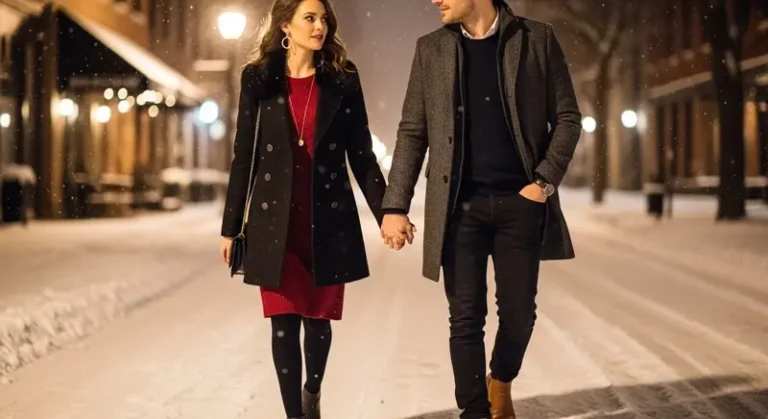
Fashion trends are more than just clothing choices—they are a dynamic form of expression that evolves with time, technology, culture, and society. Every season brings new colors, silhouettes, and styles that capture the spirit of the era. From global fashion runways to social media platforms, trends spread faster than ever before, shaping how people dress and express themselves. Understanding fashion trends helps us stay stylish, confident, and aligned with the changing world.
What Are Fashion Trends?
Fashion trends refer to the popular styles and preferences in clothing, accessories, footwear, hair, and beauty that dominate a particular period. These trends are influenced by many factors including celebrities, designers, cultural movements, and even political or economic changes. A fashion trend can last for a few months or several years depending on how strongly it resonates with people. In today’s digital age, trends emerge rapidly, making fashion more diverse and exciting than ever before.
The Evolution of Fashion Trends:
Fashion trends have transformed dramatically over the years. In the past, trends were mainly shaped by fashion houses, film stars, and designers. People waited for seasonal fashion shows to discover what was new and upcoming. But now, trends can start anywhere—on TikTok, Instagram, street fashion, or even through influencers who promote a specific look to millions of followers.
Technology has also played a major role in the evolution of fashion. With virtual fashion shows, AI-generated designs, and online shopping, fashion is more accessible and experimental. As a result, trends change quickly, giving people endless opportunities to explore new styles.
Current Popular Fashion Trends:
Every year brings a mix of fresh and revived trends. Here are some fashion trends that have taken center stage recently:
1. Oversized Silhouettes
Comfort continues to influence fashion. Oversized shirts, loose trousers, baggy hoodies, and relaxed-fit jeans have become everyday essentials. These pieces offer both style and ease, making them a favorite among all age groups.
2. Y2K Revival
The early 2000s fashion is back with a modern twist. Think crop tops, shiny lip gloss, mini skirts, butterfly clips, and bold colors. Y2K fashion is nostalgic yet trendy, embraced widely by teenagers and young adults.
3. Sustainable and Eco-Friendly Fashion
More people are choosing clothing made from recycled materials, organic fabrics, and ethical production processes. Sustainable fashion is not only good for the environment but also promotes conscious shopping.
4. Streetwear Influence
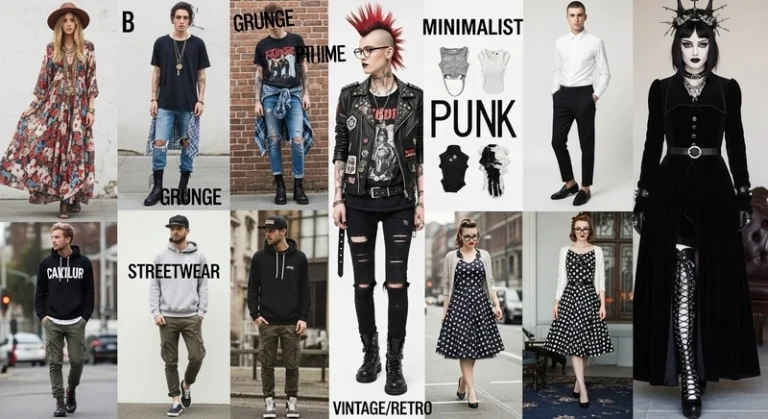
Streetwear remains a major trend worldwide. Hoodies, sneakers, cargo pants, and graphic tees combine comfort with style. This trend is heavily influenced by hip-hop culture, sportswear, and urban lifestyles.
5. Minimalist Fashion
For those who prefer a clean and classic look, minimalist fashion continues to be a strong trend. Neutral colors, simple cuts, and timeless pieces define this style. Minimalism focuses on quality rather than quantity.
6. Bold Prints and Colors
From floral prints to geometric patterns, bold designs are making waves. Bright colors such as orange, neon green, and hot pink are trending on runways and in street style. These elements add energy and uniqueness to an outfit.
The Role of Social Media in Shaping Trends
Social media has completely changed how fashion trends emerge and spread. Influencers, bloggers, and celebrities often set trends by wearing a specific style that quickly becomes viral. Platforms like Instagram, Pinterest, and TikTok are now powerful tools for fashion inspiration. One viral video or photo can introduce a new trend instantly, influencing millions worldwide.
Fashion brands:
Fashion brands also use social media to launch collections, collaborate with influencers, and connect directly with consumers. This digital shift has made fashion more interactive and inclusive, allowing everyone to participate in trendsetting.
Why Fashion Trends Matter?
Fashion trends play an important role in culture and personal identity. Here’s why they matter:
- Self-Expression: Trends allow people to express their personality, mood, and creativity.
- Cultural Influence: Fashion reflects cultural values, traditions, and social changes.
- Innovation: Trends push designers and brands to innovate with new ideas, fabrics, and styles.
- Connection: Shared fashion interests create communities—both online and offline.
Fashion trends make style exciting and ever-changing, giving people a chance to reinvent themselves
Conclusion:
Fashion trends are a vibrant part of our everyday lives, shaping how we present ourselves to the world. From oversized silhouettes to sustainable fashion, today’s trends reflect comfort, creativity, and conscious choice.
As technology and social media continue to influence fashion, trends are evolving faster and becoming more inclusive. Whether one follows every trend or chooses only what suits them, fashion remains a powerful tool for expression and identity. Staying updated with fashion trends not only enhances personal style but also connects us with the beauty and diversity of global fashion culture.
Olly
Olly is a fashion and style content creator behind OllyFashionStyle.com — covering everything from trending outfits and nail art to shoes, accessories, and seasonal style guides. Every post is built on real research, written to help you make confident style decisions without the fluff.