Fashion Styles: A Complete Guide to Understanding, Choosing, and Evolving Your Personal Look
Fashion is more than clothing. It is communication. What you wear often speaks before you do. From street corners in New York to runways in Paris, fashion styles reflect culture, personality, mood, and even values. In the United States alone, the fashion industry is worth over $350 billion, showing how deeply style influences everyday life. Yet many people still struggle with one common question: What is my fashion style?
This guide breaks down fashion styles in a clear, human way. No jargon. No confusion. Just practical insight you can actually use.
What Are Fashion Styles and Why Do They Matter?
Fashion styles are recognizable ways of dressing that follow certain patterns. These patterns come from lifestyle choices, cultural movements, trends, and personal preferences. Your style affects how confident you feel, how others perceive you, and how comfortable you move through daily life.
When you understand fashion styles, shopping becomes easier. Outfits feel more intentional. You stop copying trends blindly and start choosing what fits you.
This concept connects closely with personal branding, especially in professional and social settings. It also overlaps with topics like seasonal fashion trends and capsule wardrobes, which many style-conscious readers explore next.
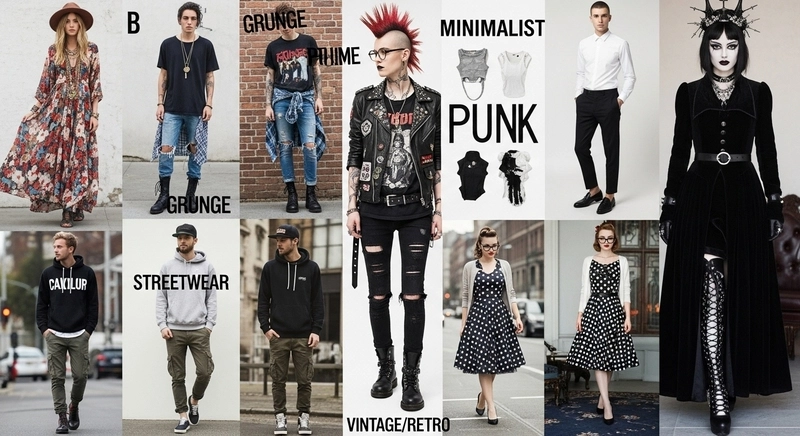
Popular Fashion Styles You Should Know
1. Casual Fashion Style
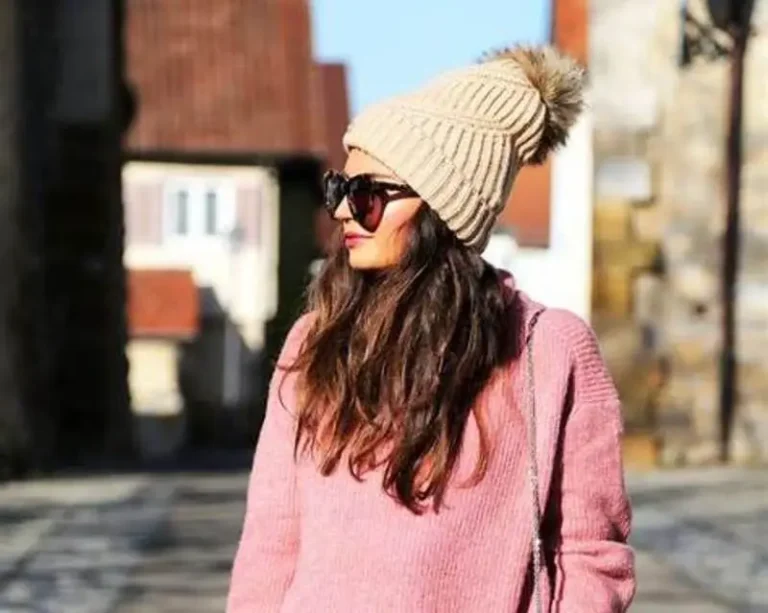
Casual style focuses on comfort and simplicity. Think jeans, t-shirts, sneakers, hoodies, and relaxed fits. This style dominates American everyday wear because it adapts easily to work-from-home culture and busy lifestyles.
Casual does not mean careless. Clean cuts, neutral colors, and good fabric choices elevate the look instantly.
Key elements include:
- Denim and cotton basics
- Neutral tones like white, beige, gray
- Functional footwear
Casual fashion often overlaps with streetwear, especially among younger audiences.
2. Classic Fashion Style
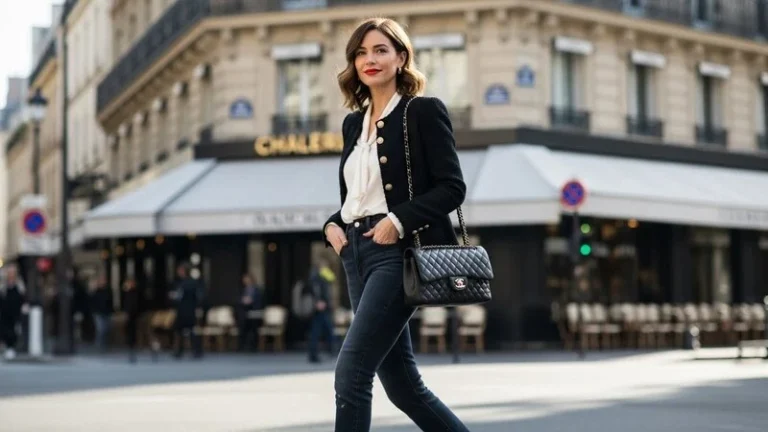
Classic fashion never goes out of style. It values timeless pieces over trends. This style works well for professionals, minimalists, and anyone who prefers polished looks.
Blazers, tailored trousers, button-down shirts, trench coats, and loafers define this category.
Why people choose classic style:
- Easy to mix and match
- Always appropriate
- Strong long-term value
If you enjoy structured outfits, you may also appreciate business casual fashion, which builds directly on classic style foundations.
3. Streetwear Fashion Style
Streetwear grew from skate culture, hip-hop, and urban communities. Today, it dominates global fashion markets. Oversized fits, graphic tees, sneakers, and bold branding define this style.
Streetwear thrives on individuality. Limited editions and statement pieces matter more than rules.
Core characteristics:
- Bold graphics
- Sneakers as a centerpiece
- Relaxed silhouettes
Streetwear connects naturally with sneaker culture and youth fashion trends, making it one of the most dynamic styles today.
Fashion Styles Based on Personality
Minimalist Fashion Style
Minimalist fashion removes excess. Clean lines. Neutral colors. Simple silhouettes. People who choose minimalism value clarity and intention.
This style works especially well for capsule wardrobes and sustainable fashion choices.
Common minimalist staples:
- White or black tops
- Straight-leg pants
- Structured outerwear
Minimalism pairs naturally with discussions around slow fashion and ethical clothing.
Bohemian (Boho) Fashion Style
Boho fashion feels free and artistic. It draws inspiration from nature, travel, and creative expression. Flowing fabrics, earthy colors, layered accessories, and patterns define this look.
Boho style often appears at music festivals, beach towns, and creative spaces.
Signature features include:
- Maxi dresses
- Fringe and embroidery
- Natural fabrics
This style often connects with festival fashion and summer outfit ideas.
Fashion Styles by Occasion
Formal Fashion Style
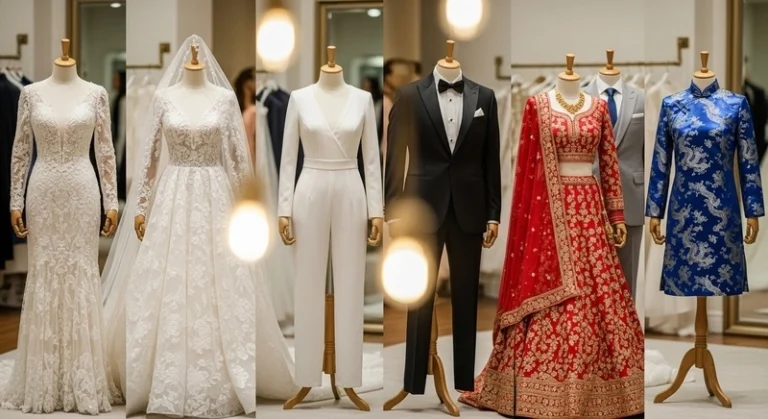
Formal fashion follows structure and elegance. Suits, evening gowns, tailored dresses, and polished shoes belong here. While not worn daily, formal style plays a key role in events, careers, and milestones.
Understanding formal fashion helps avoid overdressing or underdressing, a common concern for many people.
Athleisure Fashion Style
Athleisure blends athletic wear with everyday fashion. Yoga pants, joggers, crop tops, and stylish sneakers create a balance between comfort and trendiness.
This style gained massive popularity due to lifestyle changes and health-focused routines.
Athleisure overlaps strongly with fitness fashion and wellness lifestyle trends.
How to Find Your Personal Fashion Style
Finding your fashion style takes observation, not pressure. Start by noticing what you wear most often and what makes you feel confident.
Ask yourself:
- What outfits do I repeat?
- Which clothes make me feel comfortable all day?
- What colors dominate my closet?
You can also explore related topics like body type dressing guides or seasonal color analysis to refine your choices further.
Your style may not fit one category perfectly. Most people blend two or three styles naturally.
Common Fashion Mistakes to Avoid
Even stylish people make mistakes. Awareness helps prevent frustration.
Top mistakes include:
- Following trends without considering fit
- Ignoring comfort
- Overloading outfits with accessories
- Buying clothes without a plan
Fashion should support your life, not complicate it.
How Fashion Styles Evolve Over Time
Your style will change. That is normal. Lifestyle shifts, career changes, age, and confidence all influence fashion choices. What mattered at 20 may feel wrong at 35.
Instead of resisting change, adapt consciously. This mindset aligns well with wardrobe refresh strategies and style evolution guides often recommended by fashion experts.
Final Thoughts on Fashion Styles
Fashion styles are tools, not rules. They help you understand yourself better and express that understanding visually. Whether you love casual comfort, structured classics, or bold streetwear, the best style is one that fits your life and feels authentic.
When you dress with intention, fashion becomes effortless. And that confidence shows—without saying a word.
Olly
Olly is a fashion and style content creator behind OllyFashionStyle.com — covering everything from trending outfits and nail art to shoes, accessories, and seasonal style guides. Every post is built on real research, written to help you make confident style decisions without the fluff.