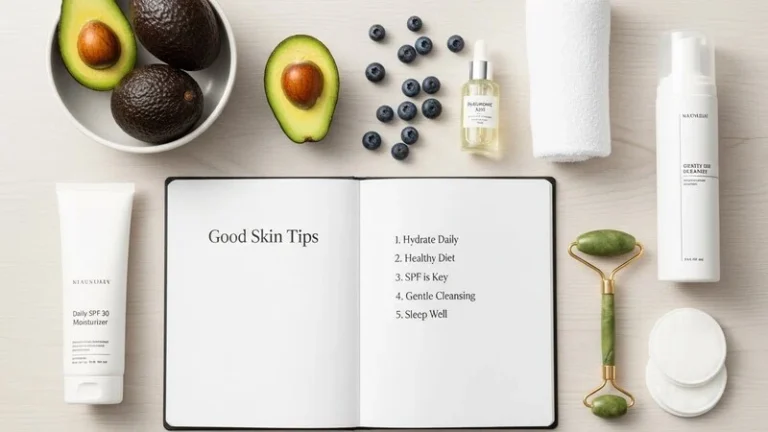
Face Wash: How to Choose the Right One and Use It the Right Way
Your skin deals with a lot every single day. Pollution, sweat, oil, makeup, sunscreen, and stress all settle on your face without you realizing it. If your skin feels dull, greasy, or irritated, the problem often starts with the basics. A face wash is not just a skincare product. It is the foundation of healthy skin.
Many people use the wrong face wash or use it the wrong way. As a result, they struggle with acne, dryness, or uneven texture. This guide explains everything you need to know about face wash in a simple, practical, and skin-friendly way.
What Is a Face Wash and Why It Matters
A face wash is designed to clean your skin gently while protecting its natural barrier. Unlike regular soap, it removes dirt, excess oil, and impurities without stripping moisture.
When you skip face washing or use a harsh cleanser, your skin reacts. It may produce more oil, clog pores, or become sensitive. Over time, this leads to breakouts and premature aging.
According to dermatology studies, cleansing twice daily can reduce acne-causing bacteria by over 60% when the right product is used consistently.
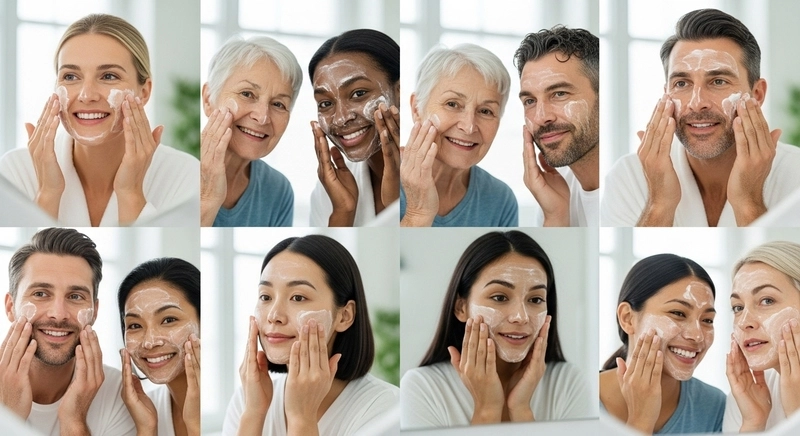
How Face Wash Is Different from Soap
Many people still use body soap or bar soap on their face. This is one of the most common skincare mistakes.
Here is a simple comparison:
| Face Wash | Regular Soap |
|---|---|
| pH-balanced for facial skin | Often too alkaline |
| Targets pores and oil | Strips natural moisture |
| Suitable for daily use | Can cause dryness |
| Designed for skin types | Not skin-specific |
If you want long-term skin health, a dedicated face wash is non-negotiable.
Types of Face Wash Based on Skin Type
Choosing the right face wash depends entirely on your skin type. Using the wrong one can undo your entire skincare routine.
Face Wash for Oily Skin
Oily skin needs balance, not aggression.
Look for:
- Gel-based or foaming cleansers
- Ingredients like salicylic acid or tea tree
- Oil-control claims without alcohol overload
Avoid heavy cream cleansers. They can clog pores.
You may also find it helpful to read our guide on how to control excess oil naturally for better results.
Face Wash for Dry Skin
Dry skin needs hydration first, cleansing second.
Choose:
- Cream or lotion-based face wash
- Ingredients like glycerin, ceramides, or hyaluronic acid
- Soap-free formulas
Harsh foaming cleansers can worsen dryness and flakiness.
Face Wash for Sensitive Skin
Sensitive skin reacts quickly. Redness and burning are warning signs.
Go for:
- Fragrance-free formulas
- Minimal ingredient lists
- Calming agents like aloe vera or oat extract
If your skin stings after washing, switch immediately.
Face Wash for Combination Skin
Combination skin needs gentle balance.
Best options:
- Mild gel cleansers
- pH-balanced formulas
- Lightweight, non-drying textures
Focus on overall skin comfort rather than oil removal alone.
Key Ingredients to Look for in a Good Face Wash
Ingredients decide whether a face wash helps or harms your skin.
Helpful Ingredients
- Salicylic Acid – Clears pores and prevents acne
- Hyaluronic Acid – Maintains hydration
- Niacinamide – Supports skin barrier
- Ceramides – Lock in moisture
- Green Tea – Reduces inflammation
Ingredients to Avoid
- High alcohol content
- Artificial fragrance for sensitive skin
- Sulfates if your skin feels tight after washing
Understanding ingredients saves your skin from long-term damage.
How Often Should You Use Face Wash
Most dermatologists recommend washing your face twice a day.
- Morning: Removes oil and sweat produced overnight
- Night: Cleans makeup, sunscreen, and pollution
If you have very dry or sensitive skin, once at night may be enough. Over-cleansing can weaken the skin barrier.
The Correct Way to Use Face Wash
Using the right face wash incorrectly reduces its benefits.
Follow these simple steps:
- Wet your face with lukewarm water
- Take a coin-sized amount of face wash
- Massage gently for 30–40 seconds
- Avoid scrubbing aggressively
- Rinse thoroughly
- Pat dry with a clean towel
Never rub your face harshly. That causes micro-damage over time.
Common Face Wash Mistakes to Avoid
Even good products fail when used incorrectly.
Avoid these mistakes:
- Washing with hot water
- Using too much product
- Scrubbing with rough towels
- Skipping moisturizer after cleansing
- Switching face wash too frequently
Consistency matters more than constantly trying new products.
Face Wash and the Rest of Your Skincare Routine
A face wash works best when paired with the right follow-up steps.
After cleansing, apply:
- Toner (optional)
- Serum
- Moisturizer
- Sunscreen (morning only)
If you are building a full routine, our article on basic skincare routine for beginners explains this in detail.
Does Face Wash Help with Acne and Brightening?
Yes, but only to an extent.
A face wash:
- Prepares skin for treatments
- Reduces acne-causing bacteria
- Removes dull surface buildup
However, it does not replace serums or treatments. Think of face wash as the foundation, not the solution to every skin issue.
Final Thoughts: Face Wash Is Small but Powerful
A face wash may seem like a simple product, but it plays a powerful role in skin health. Using the right face wash consistently can improve texture, clarity, and comfort over time.
Choose a cleanser that respects your skin. Use it gently. Support it with a good routine. When your cleansing step is right, everything else works better.
Healthy skin always starts with a clean base.
Olly
Olly is a fashion and style content creator behind OllyFashionStyle.com — covering everything from trending outfits and nail art to shoes, accessories, and seasonal style guides. Every post is built on real research, written to help you make confident style decisions without the fluff.