Face Framing Layers: The Haircut Trick That Changes Everything
Face framing layers are one of those rare haircut details that look subtle but make a dramatic difference. They soften sharp features, highlight your best angles, and give movement to any hairstyle. In fact, according to salon trend reports in the United States, face framing layers are requested in over 70% of modern haircuts, especially among people who want a change without losing length.
If your hair feels flat, heavy, or lacks shape around the face, face framing layers can solve that problem instantly. This guide explains what they are, who they suit, how to style them, and how to maintain them—clearly, practically, and without overcomplication.
What Are Face Framing Layers?
Face framing layers are shorter sections of hair cut around the front of the face. They usually start near the cheekbones, jawline, or chin and blend into the rest of the haircut. Their main purpose is to contour the face, much like makeup contouring but with hair.
Unlike full layers that affect the entire head, face framing layers focus only on the front. This makes them ideal for people who want shape without sacrificing overall length or volume.
Hair stylists often pair face framing layers with popular styles like long layered hair, curtain bangs, or butterfly haircuts, because these styles rely on natural movement around the face.
Why Face Framing Layers Are So Popular
Face framing layers work because they solve multiple hair concerns at once. They add softness, reduce bulk, and enhance facial features. Most importantly, they grow out gracefully, which makes them low-maintenance.
Here is why they continue to trend:
- They suit almost every face shape
- They work on straight, wavy, and curly hair
- They add movement without drastic length loss
- They make hairstyles look styled even when air-dried
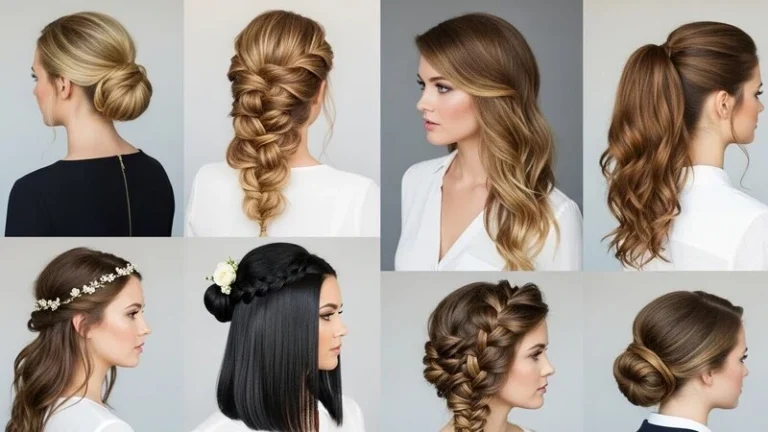
From casual everyday looks to formal styling like bridal hair or event hairstyles, face framing layers adapt effortlessly.
Face Framing Layers for Different Face Shapes
Choosing the right length for face framing layers depends largely on face shape. A professional haircut considers this carefully.
Face Framing Layers for Round Faces
For round faces, longer face framing layers work best. Layers that start below the chin help elongate the face visually. Avoid very short pieces at cheek level, as they can make the face look wider.
Face Framing Layers for Oval Faces
Oval faces are the most flexible. Almost any face framing length works well, from cheekbone-grazing layers to soft curtain-style framing. This face shape allows more experimentation.
Face Framing Layers for Square Faces
Soft, wispy face framing layers help balance strong jawlines. Stylists usually recommend layers that begin around the cheekbones and taper down gradually to avoid harsh lines.
Face Framing Layers for Heart-Shaped Faces
For heart-shaped faces, layers that start at the chin help balance a wider forehead and narrower jawline. This creates a more harmonious appearance.
Face Framing Layers on Different Hair Lengths
Face framing layers are not limited to long hair. They enhance every length when done correctly.
Face Framing Layers on Long Hair
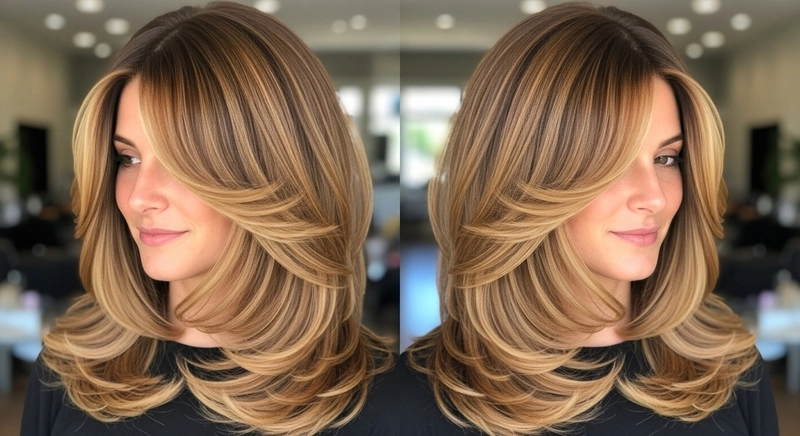
Long hair benefits greatly from face framing layers because they prevent the front from looking heavy or flat. They also pair beautifully with loose waves, blowouts, and half-up hairstyles.
Many people searching for long hairstyles also explore related styles like long layered haircuts or butterfly cuts, where face framing plays a key role.
Face Framing Layers on Medium Hair
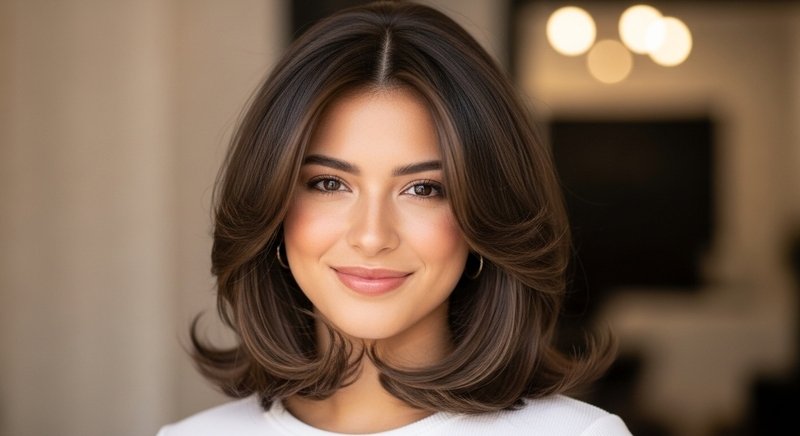
On medium-length hair, face framing layers add definition and structure. They work especially well with shoulder-length cuts, lobs, and layered bobs.
Face Framing Layers on Short Hair
Short haircuts rely on precise shaping. Subtle face framing layers around the cheekbones or jawline can soften pixie cuts and short bobs without overwhelming the style.
Face Framing Layers for Different Hair Types
Hair texture matters just as much as length.
- Straight hair: Face framing layers prevent hair from falling flat and add dimension.
- Wavy hair: They enhance natural movement and create a relaxed, effortless look.
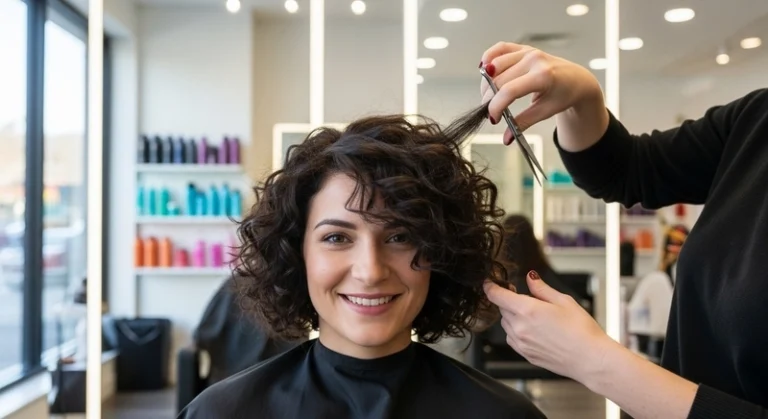
- Curly hair: When cut correctly, face framing layers define curls and prevent bulk around the face.
If you have curly hair, always consult a stylist experienced with curl patterns. Improper face framing can disrupt curl balance.
How to Style Face Framing Layers Easily
Styling face framing layers does not require professional tools every day. With the right technique, they fall into place naturally.
Here are simple styling methods:
- Blow-dry with a round brush to curve layers inward or outward
- Use a flat iron lightly to add bend without flattening
- Apply a lightweight styling cream for texture and control
- Air-dry with mousse for a natural, undone look
For special occasions, face framing layers elevate styles like soft waves, sleek ponytails, and even updos, where loose front pieces add softness.
Maintenance and Trimming Tips
Face framing layers grow out faster than the rest of your hair because they sit at the front. Regular maintenance keeps them flattering.
- Trim every 6–8 weeks for precision
- Avoid over-styling with heat
- Use a heat protectant consistently
- Keep ends hydrated with lightweight oils
Proper care ensures that face framing layers continue to enhance your haircut rather than lose shape.
Common Mistakes to Avoid
Even though face framing layers are versatile, mistakes can happen if they are rushed or poorly planned.
Avoid these common issues:
- Cutting layers too short without considering face shape
- Creating harsh, blunt edges instead of soft blends
- Ignoring natural hair texture
- DIY trimming without professional guidance
A well-executed face framing layer haircut should look effortless, not choppy or uneven.
Final Thoughts: Are Face Framing Layers Worth It?
Face framing layers are not just a trend. They are a smart haircut choice that adapts to lifestyle, age, and personal style. Whether you want subtle change or noticeable refresh, they deliver results without drastic commitment.
If your goal is to enhance your features, add softness, and make everyday styling easier, face framing layers are absolutely worth it. They work quietly, but the impact is undeniable.
If you are exploring other hairstyle upgrades, you may also find styles like curtain bangs, layered haircuts, or bridal hairstyles closely connected to face framing techniques. When used together, they create a balanced, modern look that never feels outdated.
Olly
Olly is a fashion and style content creator behind OllyFashionStyle.com — covering everything from trending outfits and nail art to shoes, accessories, and seasonal style guides. Every post is built on real research, written to help you make confident style decisions without the fluff.