Dress Trousers: A Complete Style Guide for a Sharp, Modern Look
Dress trousers sit at the heart of a well-dressed wardrobe. Whether you are heading to the office, attending a formal event, or building a smart-casual outfit, the right pair of dress trousers can instantly elevate your appearance. Yet many people struggle with fit, fabric, and styling. Too tight feels uncomfortable. Too loose looks sloppy. And the wrong fabric can ruin an otherwise polished outfit.
This guide breaks down everything you need to know about dress trousers in clear, simple language. You will learn how to choose the right fit, fabric, and style, and how to wear them confidently in real life.
What Are Dress Trousers?
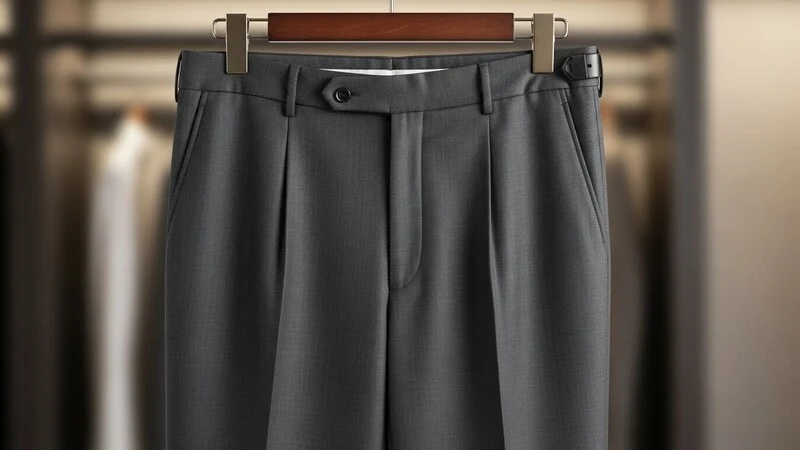
Dress trousers are tailored pants designed for formal and semi-formal wear. Unlike jeans or casual chinos, they feature a cleaner silhouette, refined fabrics, and precise construction. Most dress trousers include details like pressed creases, belt loops or side adjusters, and a structured waistband.
They usually pair with dress shirts, blazers, or suits. However, modern styling allows them to work just as well with knitwear and smart casual outfits.
If you are building a professional wardrobe, dress trousers are as essential as a well-fitted blazer or classic leather shoes.
Why Fit Matters More Than Anything Else
Fit determines how dress trousers look and feel. Even premium fabric will not save a poorly fitting pair.
Key Fit Areas to Check
- Waist: Should sit comfortably without a belt pulling it tight.
- Seat: No sagging or pulling around the hips.
- Thighs: Enough room to move, but not baggy.
- Length: A clean break at the shoe or no break for a modern look.
A tailored fit flatters most body types. Slim fit works well for lean frames, while classic fit suits broader builds. If you want help choosing between fits, our guide on men’s trouser fit types explains this in more detail.
Popular Types of Dress Trousers
Not all dress trousers serve the same purpose. Choosing the right type depends on how and where you plan to wear them.
Flat-Front Dress Trousers
These offer a clean, modern appearance. They work best for office wear and formal settings.
Pleated Dress Trousers
Pleats add room and comfort, especially around the thighs. They are ideal for all-day wear and have made a strong comeback in modern tailoring.
High-Waisted Dress Trousers
These sit higher on the waist and create a longer leg line. They pair beautifully with tucked-in shirts and tailored jackets.
Choosing the Right Fabric for Dress Trousers
Fabric affects comfort, drape, and durability. It also determines whether trousers work year-round or only in certain seasons.
Common Dress Trouser Fabrics
- Wool: Breathable, elegant, and ideal for formal wear
- Wool Blends: More durable and wrinkle-resistant
- Cotton Twill: Great for business casual looks
- Linen Blends: Lightweight option for summer
For year-round versatility, mid-weight wool dress trousers remain the best investment. If you want seasonal guidance, check our fabric guide for men’s trousers.
Dress Trousers vs Chinos: Know the Difference
Many people confuse dress trousers with chinos, but they serve different roles.
| Feature | Dress Trousers | Chinos |
|---|---|---|
| Fabric | Wool or blends | Cotton |
| Formality | Formal to semi-formal | Casual to smart casual |
| Crease | Usually pressed | Optional |
| Best for | Office, events | Daily wear |
Understanding this difference helps you avoid underdressing or overdressing.
How to Style Dress Trousers the Right Way
Dress trousers are more versatile than most people think. Styling them correctly makes all the difference.
For Office Wear
Pair charcoal or navy dress trousers with a crisp white shirt and leather oxfords. Add a blazer for authority.
For Smart Casual Looks
Combine grey dress trousers with a polo shirt or fine-knit sweater. Loafers or clean leather sneakers work well here.
For Formal Events
Stick to darker tones like black or midnight blue. Match them with a tailored jacket and formal dress shoes.
If you want outfit inspiration, our article on smart casual men’s outfits shows how dress trousers fit into modern styling.
Length and Break: Small Detail, Big Impact
Trouser break refers to how the fabric rests on your shoes.
Types of Break
- No Break: Modern and sharp
- Half Break: Balanced and versatile
- Full Break: Traditional and relaxed
For most people, a slight or half break offers the cleanest look without feeling too trendy.
Common Mistakes to Avoid with Dress Trousers
Even good trousers can look wrong if styled poorly.
- Wearing trousers that are too long
- Choosing shiny, low-quality fabric
- Overusing bold patterns
- Ignoring tailoring adjustments
A simple hem alteration can transform how your trousers look. Tailoring is not optional. It is essential.
Caring for Your Dress Trousers
Proper care extends the life of your trousers and keeps them looking sharp.
Care Tips
- Hang trousers after wearing
- Avoid frequent washing
- Steam instead of ironing when possible
- Dry clean only when necessary
Rotating between multiple pairs also helps reduce wear.
Are Dress Trousers Worth the Investment?
Yes. High-quality dress trousers offer long-term value. They last longer, feel better, and elevate your overall appearance. A few well-fitted pairs outperform a closet full of poorly made pants.
If you are serious about dressing well, start with neutral colors like navy, grey, and charcoal. From there, expand into lighter or textured options.
Final Thoughts
Dress trousers are more than just formal pants. They are a foundation of modern style. When you choose the right fit, fabric, and styling, they work across professional, social, and formal settings with ease.
Invest wisely. Tailor properly. Wear them with confidence.
That is how dress trousers truly shine.
Olly
Olly is a fashion and style content creator behind OllyFashionStyle.com — covering everything from trending outfits and nail art to shoes, accessories, and seasonal style guides. Every post is built on real research, written to help you make confident style decisions without the fluff.