Bracelet: A Complete Guide to Styles, Materials, and How to Choose the Right One
Jewelry trends come and go, but bracelets remain a constant favorite. In fact, industry data shows that bracelets are among the top three most purchased jewelry items in the United States, right after rings and necklaces. Yet many people still struggle to choose the right bracelet. Too tight, too loose, wrong style, or poor material quality—these are common frustrations. A bracelet should never feel like an afterthought. Instead, it should reflect personal style, fit comfortably, and last for years. This guide breaks down everything you need to know about bracelets, from types and materials to sizing and care, so you can make confident, informed choices.
What Is a Bracelet?
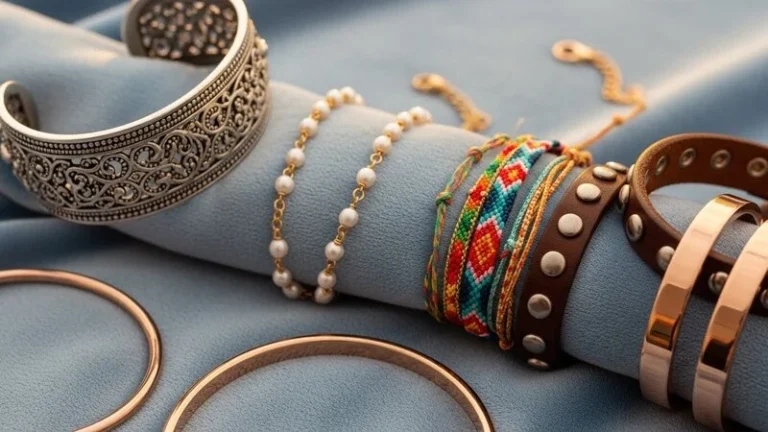
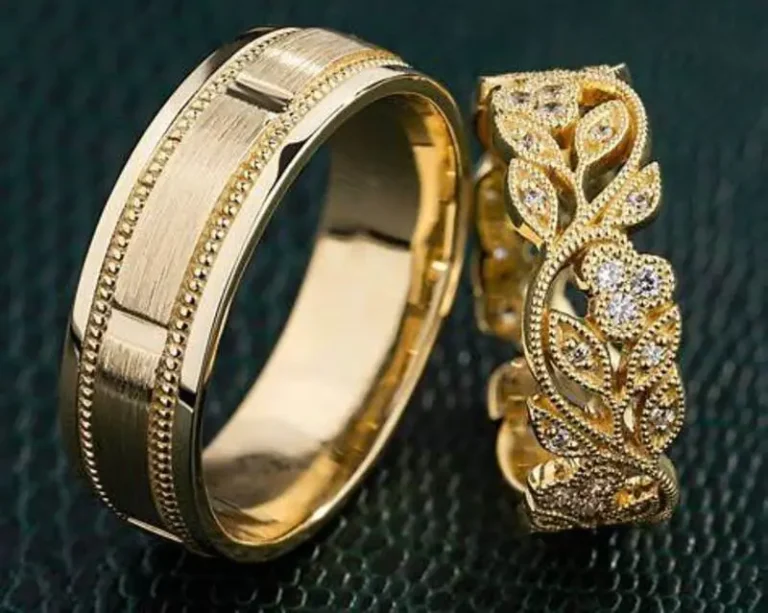
A bracelet is a piece of jewelry worn around the wrist. While this definition sounds simple, the variety of bracelet styles available today is extensive. Bracelets serve both functional and aesthetic purposes. Some symbolize status, culture, or milestones, while others exist purely for fashion.
Historically, bracelets date back thousands of years. Archaeological findings show that ancient civilizations used bracelets made from bones, stones, and shells. Today, modern bracelets blend tradition with innovation, using advanced materials and contemporary designs.
Popular Types of Bracelets
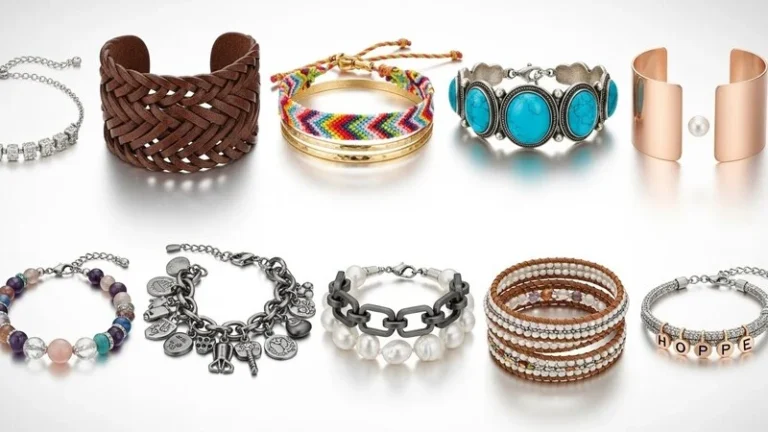
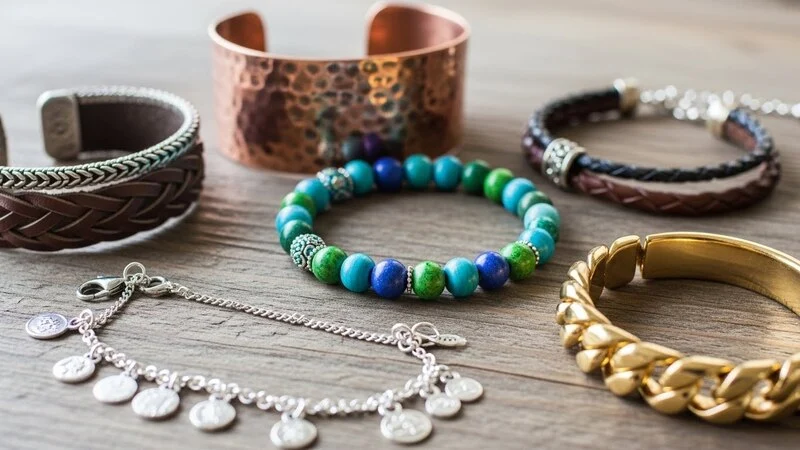
Understanding different bracelet styles helps narrow your options and avoid poor buying decisions.
1. Chain Bracelets
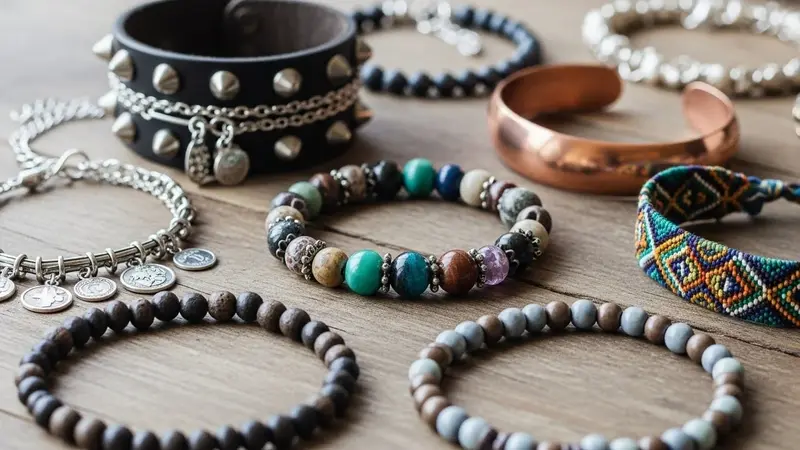
Chain bracelets remain a classic choice for both men and women. They feature interlocking metal links and offer durability and elegance.
Common chain styles include:
- Curb chains
- Figaro chains
- Rope chains
These bracelets work well for everyday wear and formal occasions.
2. Bangle Bracelets
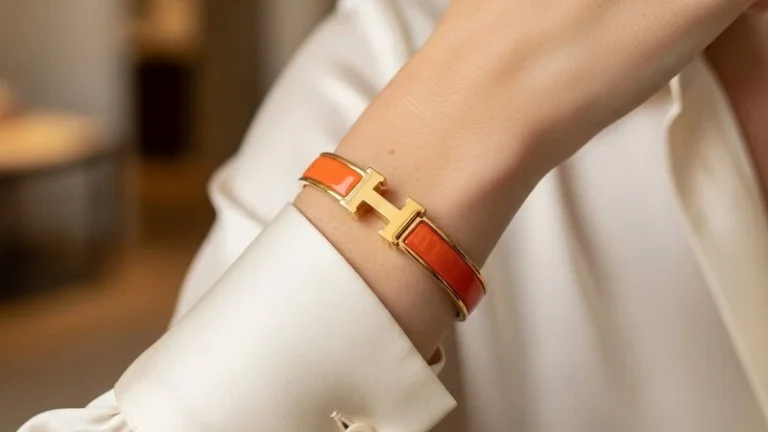
Bangles are rigid bracelets with a solid circular shape. Many people prefer bangles for their clean, structured look.
They are popular in:
- Gold and silver jewelry
- Minimalist fashion
- Traditional and cultural designs
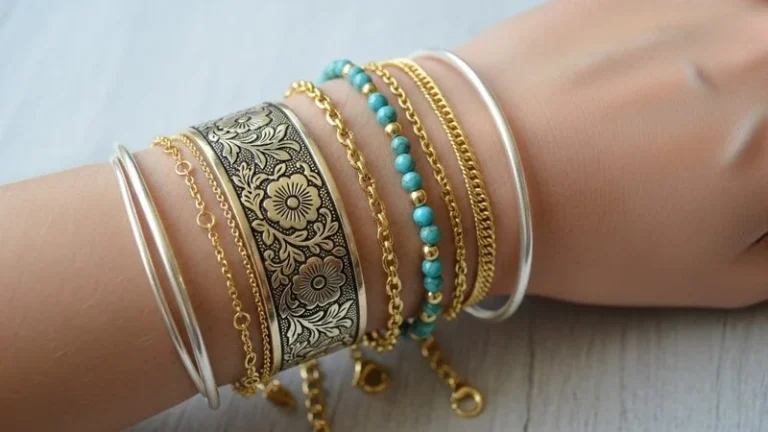
Bangles often come in sets, making them ideal for layering.
3. Cuff Bracelets
Cuff bracelets feature an open-ended design. They slide easily onto the wrist and create a bold statement.
Cuffs suit:
- Modern fashion styles
- Minimalist wardrobes
- Statement accessories
They often use thicker metals or artistic engravings.
4. Beaded Bracelets
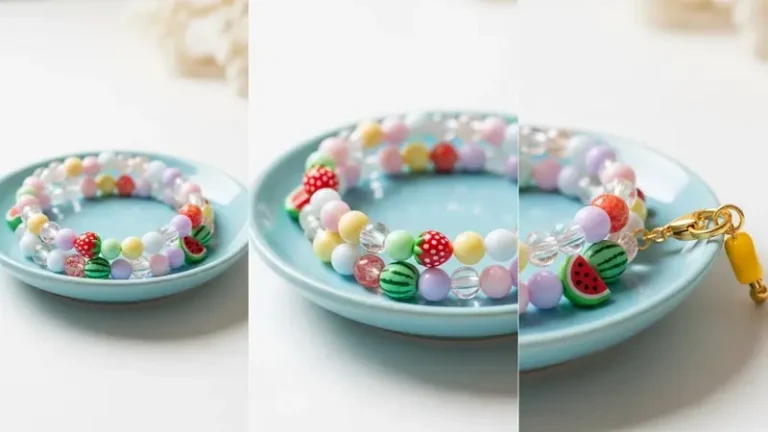
Beaded bracelets use stones, glass, wood, or crystals. They are lightweight and versatile.
Many people choose beaded bracelets for:
- Casual outfits
- Spiritual or wellness purposes
- Colorful layering looks
5. Charm Bracelets
Charm bracelets allow personalization. Each charm represents a memory, achievement, or milestone.
They remain especially popular as gifts due to their emotional value.
Bracelet Materials Explained
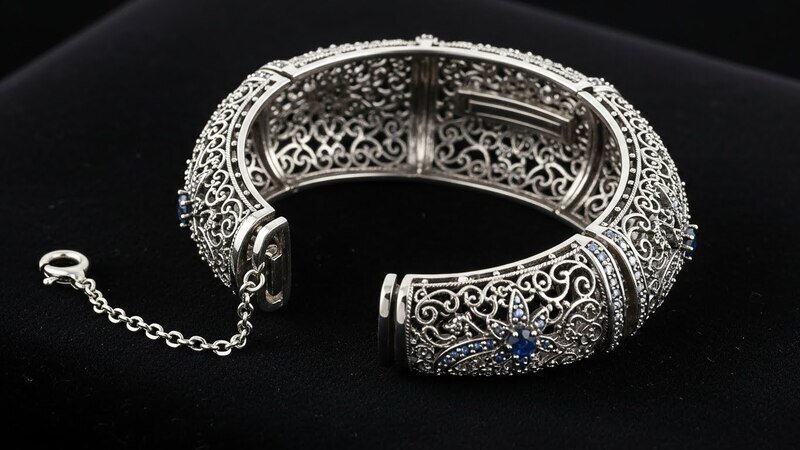
Material choice directly affects durability, appearance, and price. Choosing the right material prevents premature wear and discomfort.
Common Bracelet Materials and Their Benefits
| Material | Key Benefits | Best For |
|---|---|---|
| Gold | Long-lasting, luxurious, hypoallergenic | Fine jewelry, investment pieces |
| Sterling Silver | Affordable, stylish, versatile | Daily wear |
| Stainless Steel | Durable, tarnish-resistant | Men’s bracelets, active lifestyles |
| Leather | Comfortable, casual look | Everyday fashion |
| Beads (Stone/Glass) | Lightweight, expressive | Trend-based styling |
According to U.S. jewelry market data, gold and sterling silver account for over 60 percent of bracelet sales due to their balance of beauty and durability.
How to Choose the Right Bracelet
Selecting the right bracelet requires more than visual appeal. Comfort, fit, and lifestyle matter just as much.
1. Bracelet Size and Fit
A poorly fitted bracelet feels distracting. Measure your wrist with a soft tape measure and add:
- 0.5 inch for a snug fit
- 0.75 to 1 inch for a comfortable fit
Most adult wrist sizes in the USA range between 6.5 and 8 inches.
2. Lifestyle Considerations
Active individuals should prioritize durable materials like stainless steel or leather. Office professionals may prefer minimal chain or cuff bracelets.
3. Style Alignment
Minimalists benefit from clean lines and simple designs. Bold dressers can explore layered bangles or statement cuffs.
Bracelets for Men vs. Women
While fashion boundaries continue to blur, some design elements remain distinct.
Men’s Bracelets
Men often choose:
- Leather bracelets
- Stainless steel chains
- Beaded styles with neutral tones
These designs focus on strength, simplicity, and durability.
Women’s Bracelets
Women’s bracelets emphasize:
- Delicate chains
- Bangles and charms
- Mixed metals and gemstones
However, many styles today are unisex, reflecting modern fashion preferences.
Bracelet Trends in the USA
Bracelet trends evolve with fashion movements and consumer behavior.
Current Popular Trends
- Layered bracelets with mixed materials
- Minimal gold chains
- Personalized charm bracelets
- Natural stone beaded bracelets
Market insights show that personalization has increased bracelet demand by nearly 25 percent over the last five years in the United States.
How to Care for Your Bracelet
Proper care extends the life of your bracelet and preserves its appearance.
Essential Bracelet Care Tips
- Remove bracelets before swimming or exercising
- Store jewelry in separate pouches to avoid scratches
- Clean metal bracelets with a soft cloth
- Keep leather bracelets away from water
Consistent maintenance prevents tarnishing and material damage.
Why Bracelets Remain a Must-Have Accessory
Bracelets offer versatility that few accessories can match. They transition easily from casual to formal wear. They allow self-expression without overwhelming an outfit. Most importantly, they feel personal.
From symbolic charm bracelets to bold cuffs and timeless chains, bracelets suit every age group, gender, and lifestyle. Their enduring popularity proves that a well-chosen bracelet never goes out of style.
Final Thoughts
A bracelet is not just an accessory. It is a statement of taste, comfort, and personality. When chosen carefully, it becomes part of your daily identity rather than a seasonal trend. By understanding bracelet types, materials, sizing, and care, you can invest in pieces that deliver long-term value and style.
Whether you prefer subtle elegance or bold design, the right bracelet enhances your look without effort. Make informed choices, and your bracelet will always feel like it belongs on your wrist.
Olly
Olly is a fashion and style content creator behind OllyFashionStyle.com — covering everything from trending outfits and nail art to shoes, accessories, and seasonal style guides. Every post is built on real research, written to help you make confident style decisions without the fluff.